Water Damage Restoration Selma, TX
For Selma homes and businesses, the restoration team extracts standing water, dries the structure to a measured finish and documents the damage for the insurance claim after a burst pipe, leak or flood.
(888) 926-4485Get a drying plan by phoneWater keeps spreading while it sits, so the first conversation covers shutting off the supply, what is wet and what to photograph.
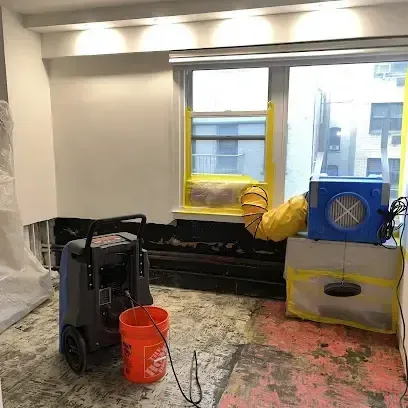
Every kind of indoor water problem
From a split supply pipe to a backed up drain, the restoration team matches the method to the source, because each kind of water loss dries and cleans differently.
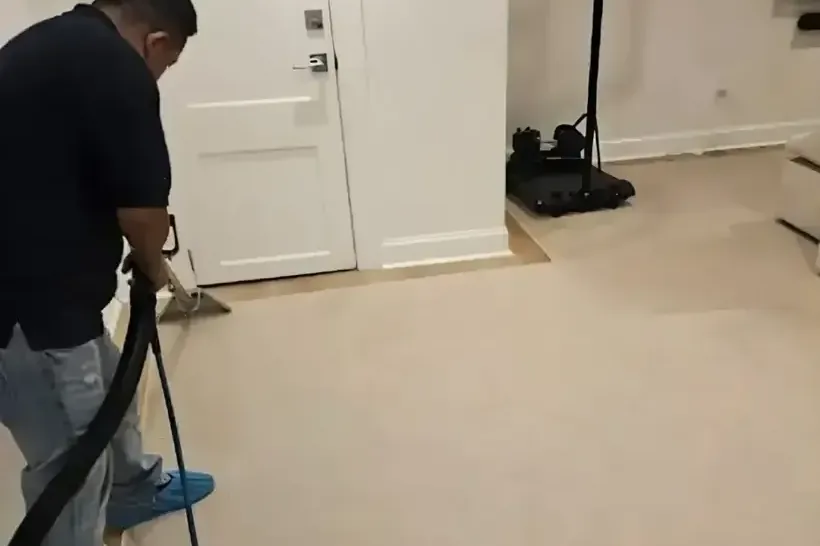 Water Extraction and RemovalPumps and wet vacuums pull standing water off floors first, before any drying equipment goes in.View service
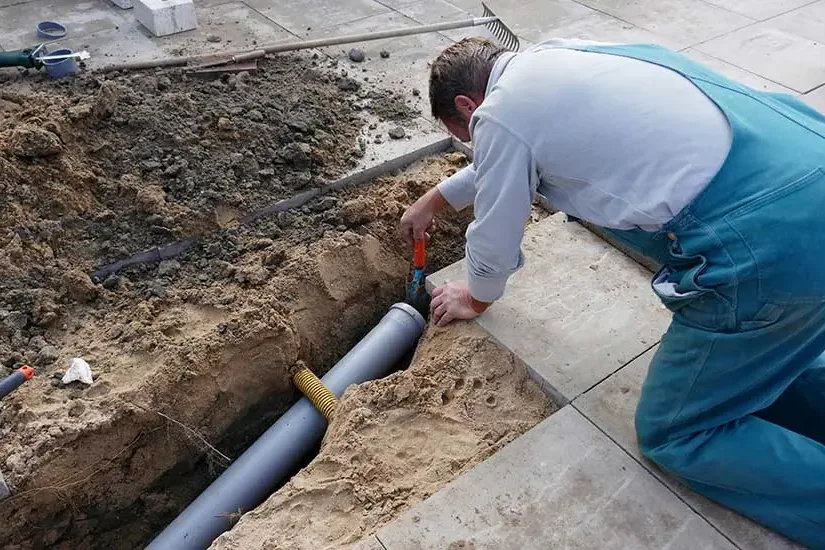 Slab Leak Water DamageA hidden leak below the floor surface is found and repaired, then the soaked flooring and wall bottoms are dried.View service
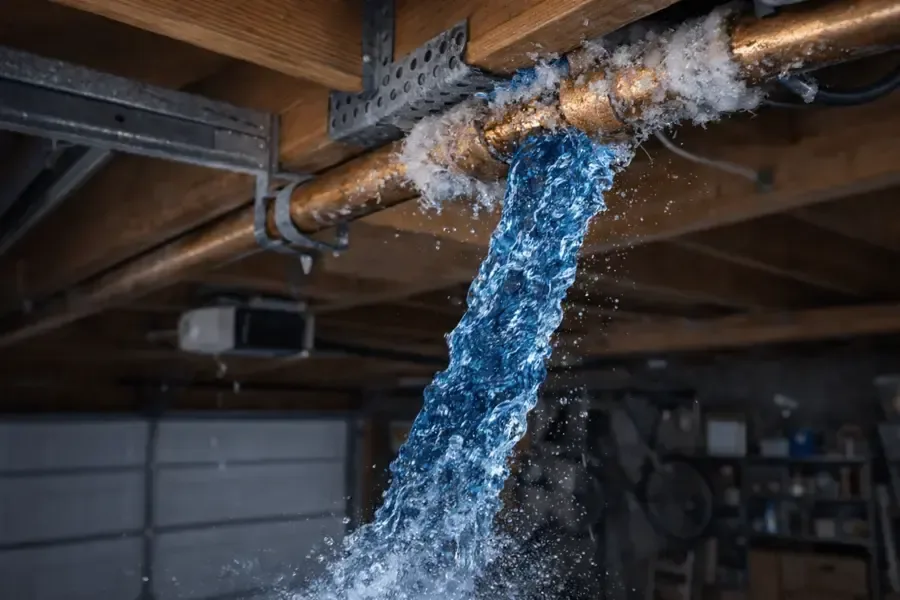 Burst Pipe Water DamageShutting off the supply comes first, then the sprayed walls, ceilings and floors are opened and dried.View service
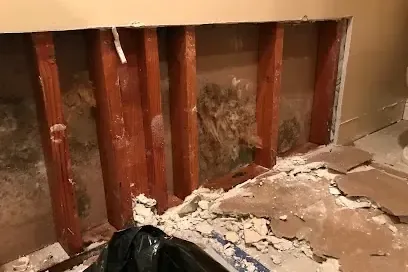 Frozen Pipe Water DamageA split from a hard freeze can soak a ceiling or wall cavity before anyone notices, so drying reaches inside the framing.View service
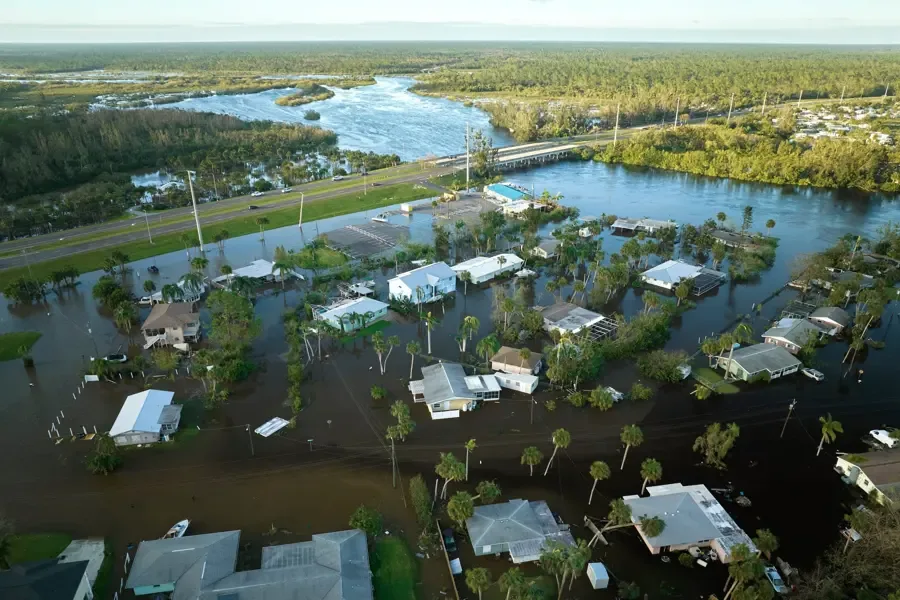 Flash Flood and Storm Water CleanupCreek or storm water is treated as contaminated, so affected materials are removed, cleaned and sanitized before drying.View service
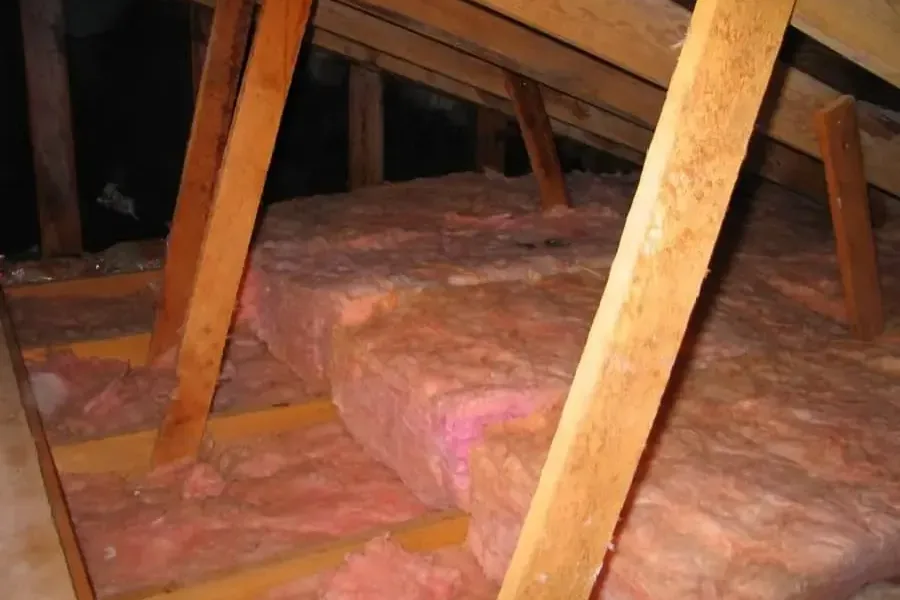 Roof Leak Water DamageThe leak path is traced, wet insulation comes out and the ceiling below is dried.View service
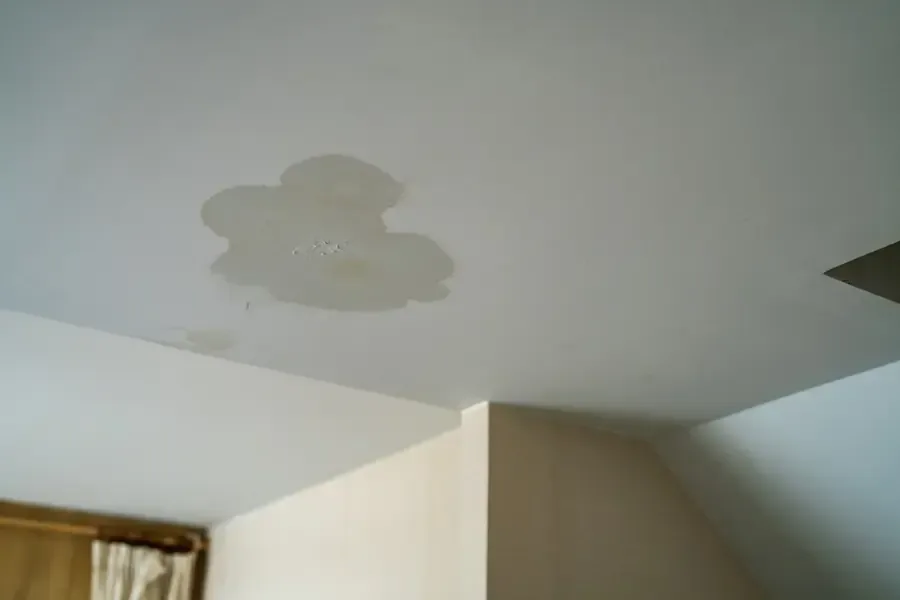 Ceiling Leak Water DamageStains and sagging drywall point to a source overhead, which gets identified before the ceiling is opened and dried.View service
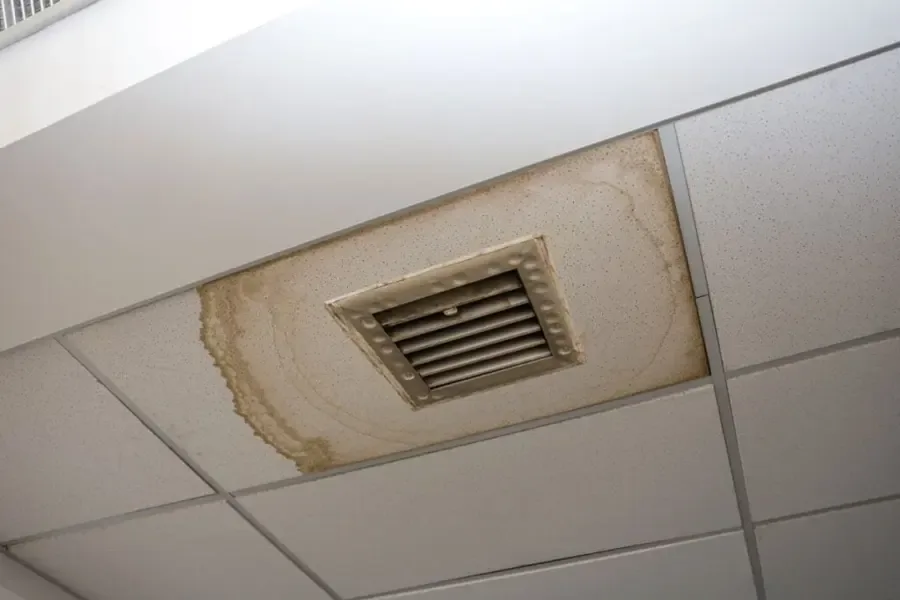 AC Condensate Leak Water DamageA clogged drain pan or overflow soaks the ceiling, wall or floor near the air handler.View service
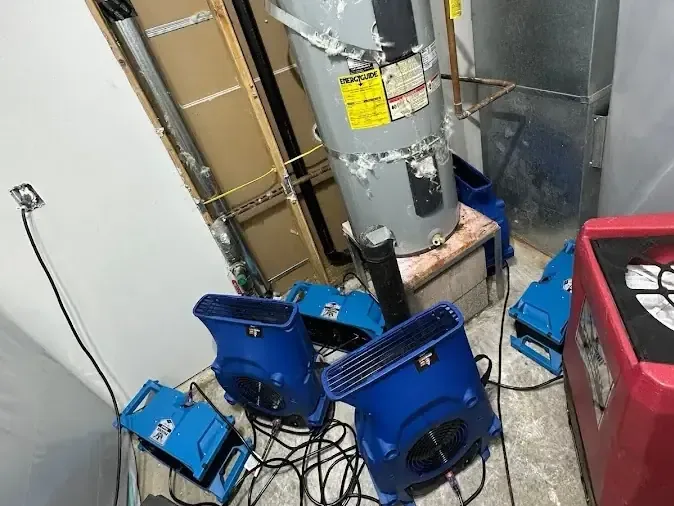
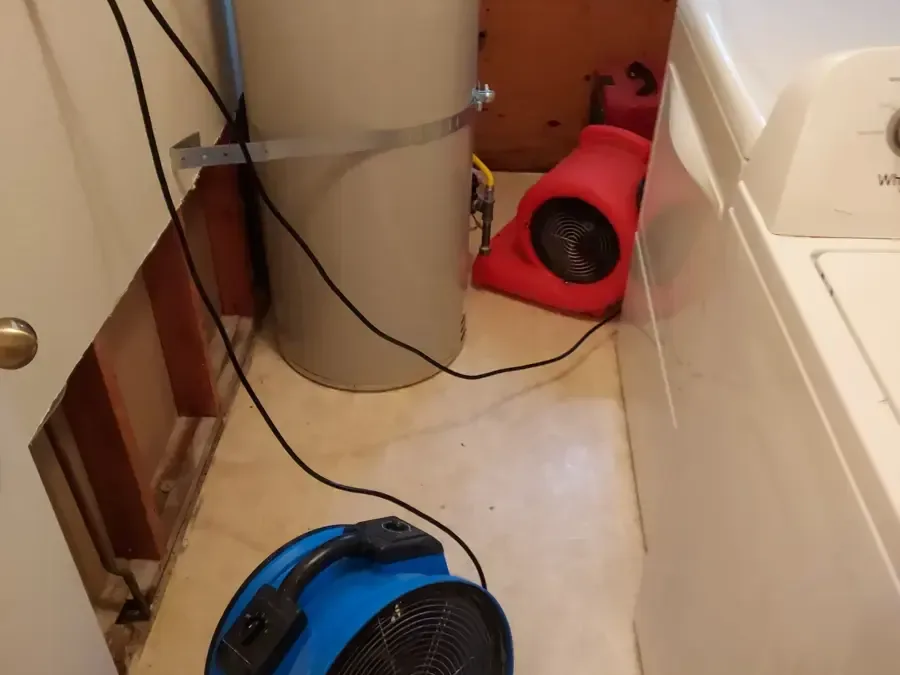
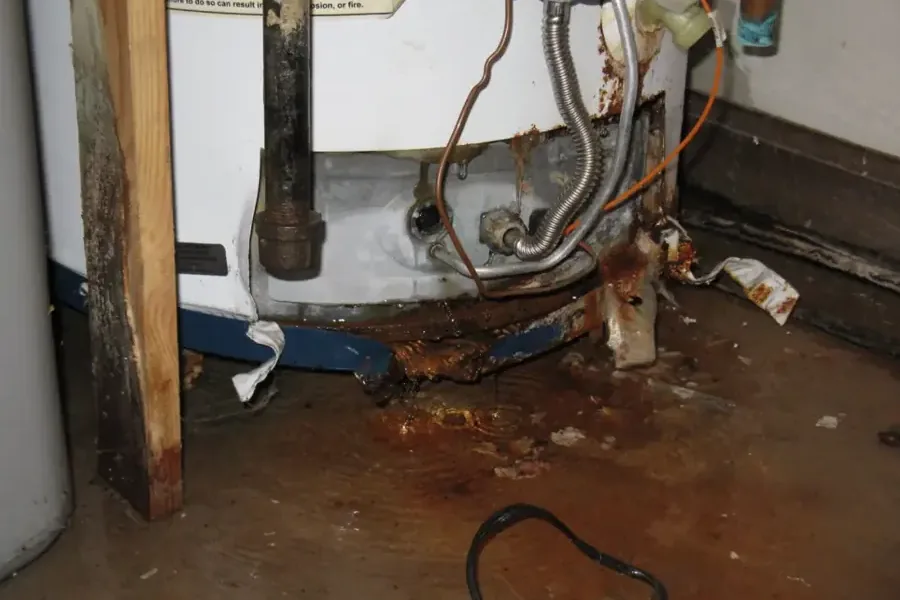 Water Heater Leak CleanupA leaking tank or fitting is stopped, then the wet floor and wall bottoms around it are dried.View service
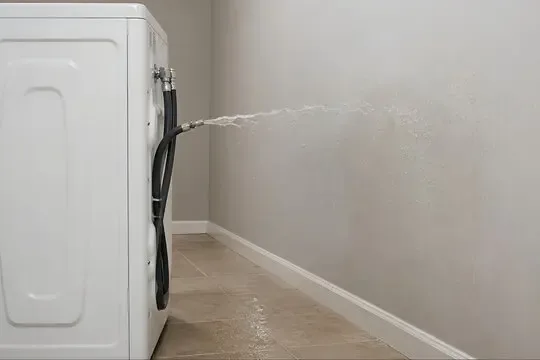 Appliance and Supply Hose LeaksWasher, dishwasher and refrigerator supply hoses fail often, and the wet cabinets and flooring beneath get dried.View service
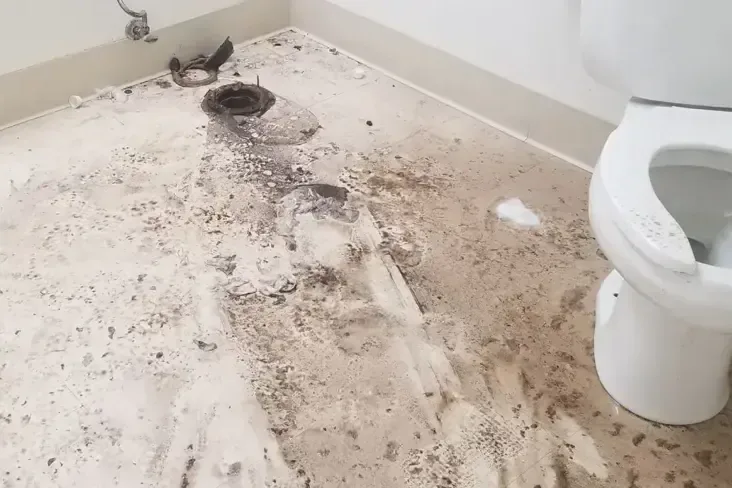 Sewage Backup CleanupWastewater backups need protective gear, removal of soaked porous materials and disinfecting of every touched surface.View service
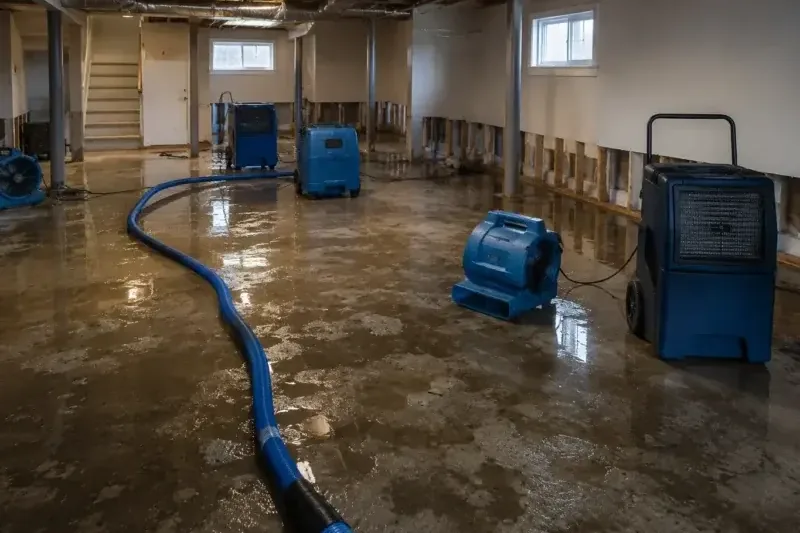 Structural Drying and DehumidificationMeters track the moisture in framing, subfloor and drywall while equipment runs until each reaches a measured dry finish.View service
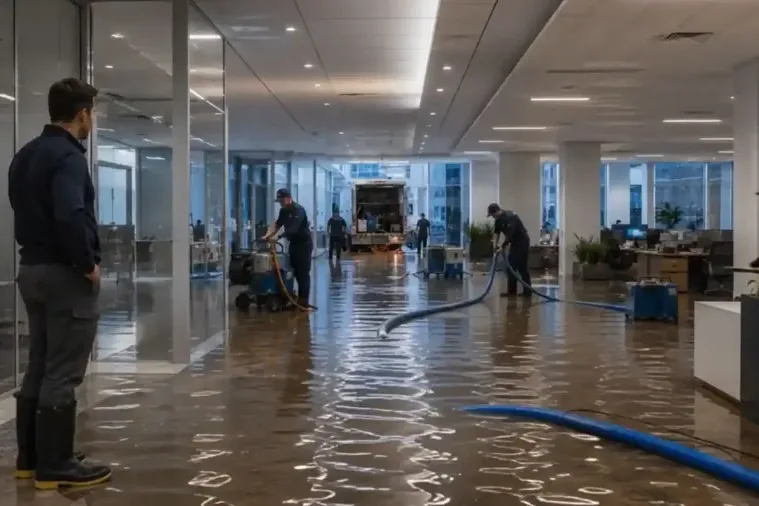 Commercial Water DamageBusiness spaces of every kind get a drying plan built to limit downtime and protect stock and records.View service
Measured drying instead of guesswork
Surface drying leaves moisture behind in framing and subfloors, and that hidden water is what turns a small leak into rot, odor and repeat repairs.
Moisture mapped first
Meters check floors, walls and ceilings so the drying plan targets where water actually went, not just what looks wet.
Equipment sized to the loss
Air movers and dehumidifiers are matched to the room volume and the materials involved, then adjusted as the readings drop.
Daily readings recorded
Moisture logs and photos build the record an adjuster expects to see, and they show when each material finished drying.
Water and sewage only
The work stays focused on water losses, from clean supply leaks to contaminated backups, handled with the right protection for each.
Equipment used on a water job
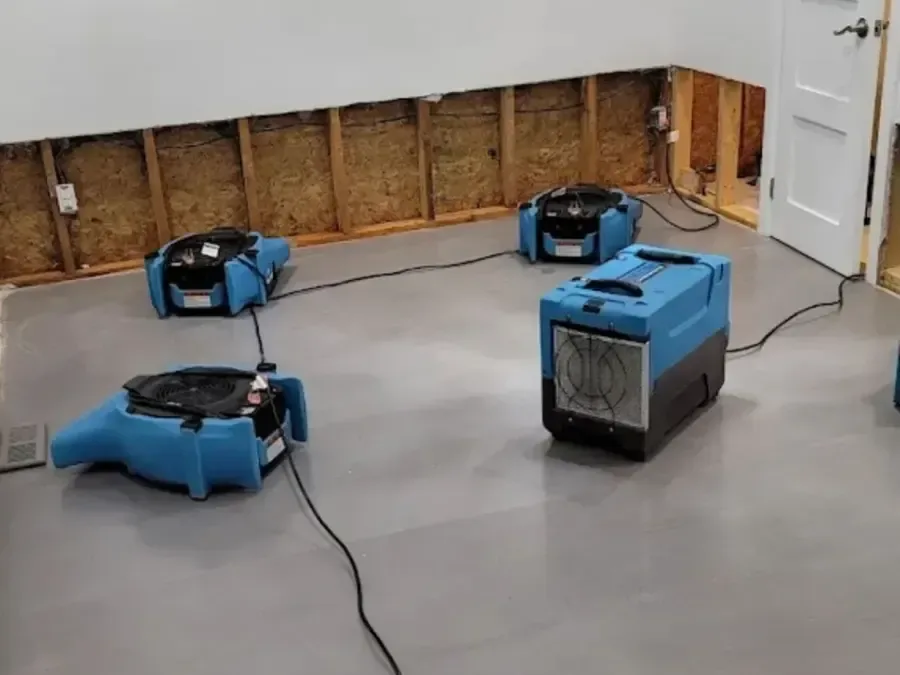
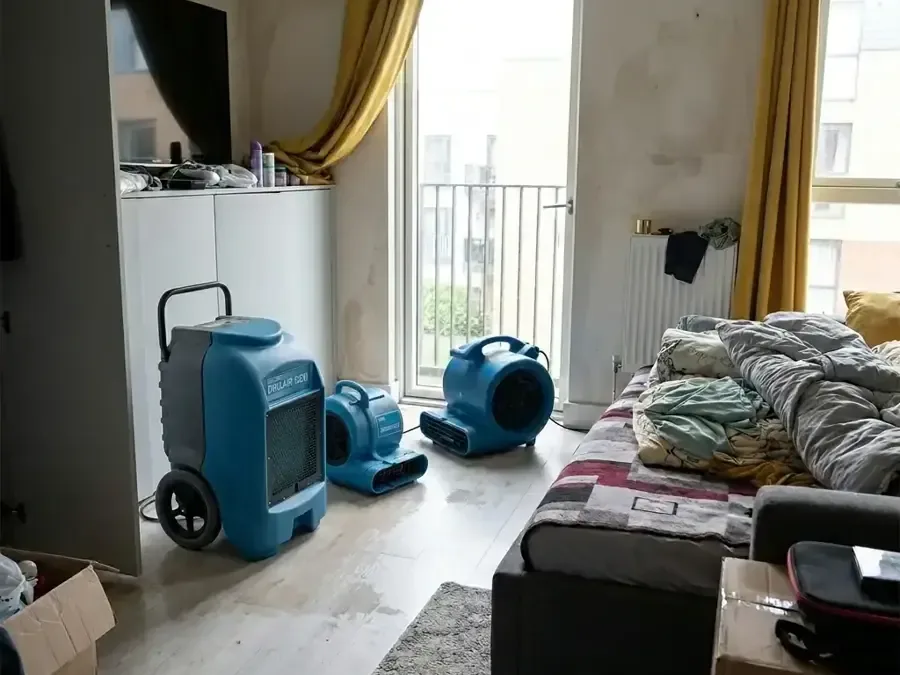
- Air movers push dry air across wet floors and wall bottoms.
- Dehumidifiers pull moisture out of the air so materials can release theirs.
- Extraction pumps and wet vacuums remove standing water before drying begins.
- Moisture meters and thermal cameras show where water still hides inside surfaces.
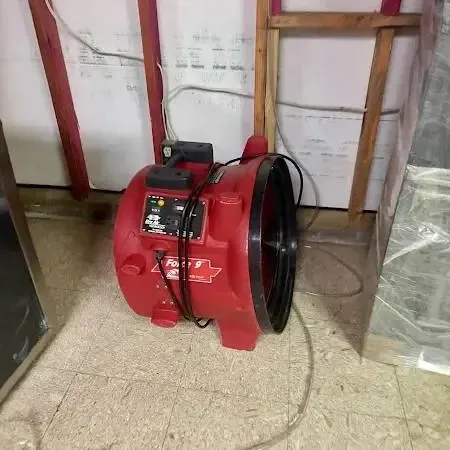
A measured dry out from first call to final readings
Every job follows the same order: stop the source, remove the water, dry what is left and confirm with readings, so nothing gets rebuilt over a wet surface or a damp wall cavity.
- Assess and stop water: The team finds the source, confirms the supply is off and maps every wet surface with meters and a thermal camera.
- Extract: Pumps and wet vacuums remove standing water, then soaked carpet pad and other ruined materials come out of the room.
- Dry and dehumidify: Air movers and dehumidifiers run on wet surfaces and open cavities while readings are checked and equipment is moved as areas dry.
- Verify and document: Final readings confirm each material is dry, and the photos and logs are organized for the insurance claim file.
What water damage cleanup costs and why it varies
Cost follows three things: how long the water sat, how many rooms and materials it reached, and whether the source was clean supply water or a contaminated backup, which sets how much material has to be removed rather than dried.
A single wet room or area
- Standing water extraction
- Air movers and a dehumidifier
- Moisture readings logged
Several rooms or wall damage
- Flood cuts where needed
- A longer equipment run
- Daily moisture checks
Large or contaminated losses
- Sewage or creek water
- Removal of soaked finishes
- Photos and full logs
Final pricing depends on an on site look at the affected materials, and a loss with sewage or a long soak can move into a higher tier.
What water damage and drying look like on the job
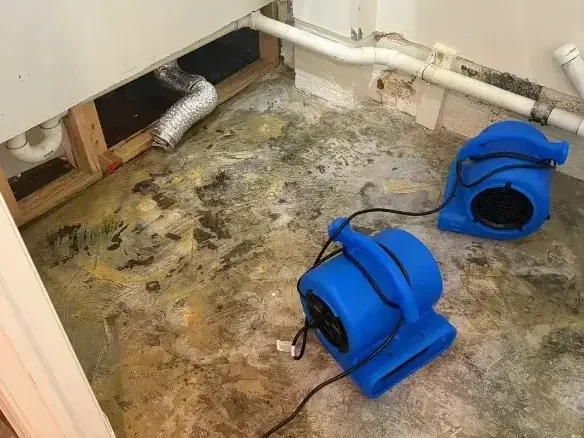
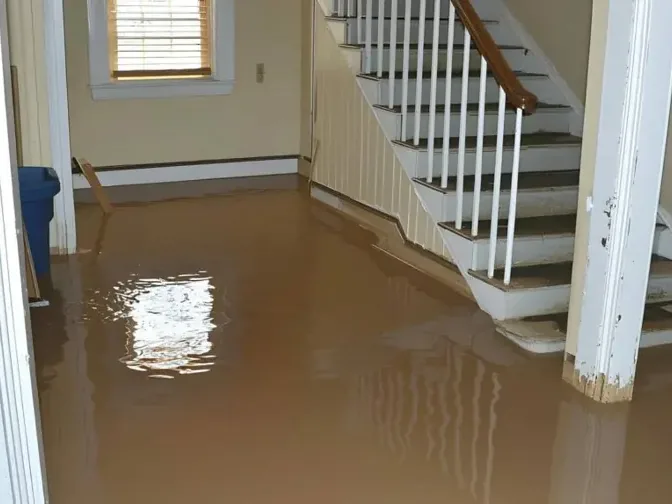
Documenting the loss for the claim
Adjusters look for proof of when the water started, what it touched and how it was dried, so the record is built while the work happens.
Before the adjuster visits
Keep damaged items until they are photographed, save receipts for emergency costs such as temporary lodging or equipment, and avoid throwing out soaked materials the adjuster has not seen.
Policies differ on what counts as sudden water damage versus long term seepage, so the claim goes smoother when the cause and sequence of events are written down early.
What to do while the water is still spreading
- Stop the source: Close the main shutoff or the valve at the fixture, and switch off power to wet areas if the breaker box stays dry.
- Photograph everything: Capture wet rooms, damaged belongings and the water source from several angles before anything gets moved or thrown out.
- Lift what can be lifted: Move rugs, small furniture and electronics out of the wet area, and prop up upholstery on foil or blocks to avoid new stains.
- Skip the household vacuum: Household vacuums are not built for standing water, and sewage or creek water should never be touched without protective gear.
- Call before drying alone: Fans and towels rarely reach water inside wall bottoms and under flooring, so a moisture check early saves materials.
Water damage service across Selma
Areas and corridors served
Nearby towns served
Reaching the restoration team from any part of town
Calls from every part of the city are handled the same way: a short conversation about the source, what is wet and what has already been shut off.
Homes along the Interstate 35 corridor and in the surrounding subdivisions get the same measured drying process as any other address.
(888) 926-4485Speak with a local restoration proThree water loss types and how each is handled
The category sets what can be dried in place and what has to come out.
Water heater leaks
A failing tank or loose fitting can empty onto a floor, and the wet floor and wall bottoms need drying once the leak stops.
Water heater cleanupAppliance and hose leaks
Washer, dishwasher and refrigerator hoses can split or loosen, and a slow drip behind a cabinet may soak the flooring long before anyone sees it.
See appliance leaksSewage backups
Backed up drains bring contaminated water into living spaces, so soaked porous materials are removed and touched surfaces are disinfected rather than simply dried.
Sewage cleanup details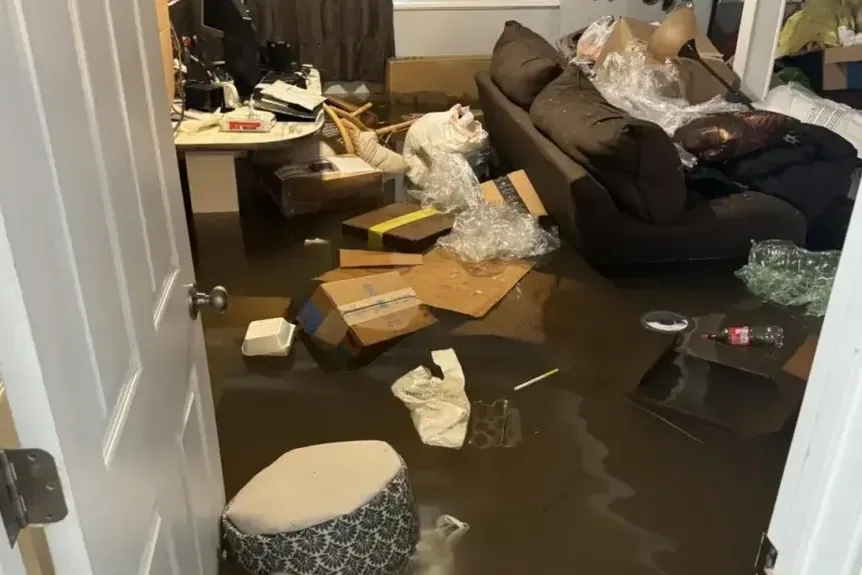
Water risks around Cibolo Creek and beyond
Water losses in Selma come from the same few sources as anywhere in Texas: failed plumbing, appliance leaks, storm runoff and the occasional rise of Cibolo Creek, which has an official gauge here.
- Cibolo Creek levels: USGS lists stages at the Cibolo Creek gauge from 14 feet for action to 22 feet for major flooding, and National Weather Service warnings cover Bexar County and Guadalupe County.
- Hard freezes: Winter Storm Uri in February 2021 sent San Antonio to a record 13 degrees and caused power and water outages across Texas, showing how unprotected pipes can split.
- Supply pipe bursts: City of Selma Utilities administers water, wastewater and storm water, and inside a house a burst supply pipe can flood any room quickly until the water is shut off.
- Drain and sewer clogs: CCMA, the Cibolo Creek Municipal Authority, administers wastewater service for the city and says wipes, cooking oil and grease clog the sewer system and belong in the trash.
- Rapid growth: Population rose from 5,540 in 2010 to 10,952 in 2020 along the growing Interstate 35 corridor, and more households mean more hoses, heaters and drains that can leak.
July 16, 2026: Guadalupe County emergency management reported Cibolo Creek at 22.40 feet, with water at the bottom of the Interstate 35 bridge.
Common water damage questions
Need help with active water?
Shut off the supply if it is safe, take photos, then call to talk through the source, what is wet and the right drying approach.
(888) 926-4485 Describe the damage on a callHow quickly does water damage get worse?
Surface water soaks into drywall, subfloor and framing fast, and mold can begin within the first day or two, so extraction and drying should start as soon as the source is stopped. Waiting lets the damage spread to more materials.
Should the water be shut off before calling?
Yes, when it can be done safely. Closing the main shutoff or the fixture valve limits the damage and protects belongings, and the call can cover anything else that needs attention.
What does restoration include?
Restoration covers stopping the source, extracting standing water, removing materials that cannot be saved, structural drying with air movers and dehumidifiers, sanitizing when the water was contaminated, and documenting everything for the claim.
Is flood or creek water handled differently?
Yes. Floodwater and sewage count as contaminated because of what they carry, so storm and flood cleanup removes porous materials such as carpet and drywall and sanitizes surfaces instead of drying them in place.
How long does drying usually take?
Most structural drying runs several days, depending on the materials, the amount of water and the humidity indoors, and it ends only when meter readings show each material is dry. Hardwood and thick subfloors take longer than carpet.
Does insurance cover cleanup?
Coverage depends on the policy and the cause. Sudden events such as a burst pipe may be covered, while long term seepage often is not, so the claim should be reported early.
Can a restoration team work with the adjuster?
The team supplies photos, moisture logs and a list of removed materials, which gives the adjuster a clear record of the loss and how it was handled from start to finish.
What causes sewage to back up in a home?
Wipes, grease and cooking oil clog sewer systems, and CCMA says even wipes labeled flushable belong in the trash. Any backup is treated as contaminated until the sewage backup cleanup is finished.
Do businesses get the same service?
Yes. Commercial losses follow the same steps with extra attention to downtime, stock and records, and the drying plan is sequenced to keep part of the space usable when possible.
Which parts of town does the crew cover?
The restoration team works across the city, including the Interstate 35 corridor and subdivisions such as Olympia, Chelsea Crossing, Retama Ridge and Retama Springs. The city mailing address uses ZIP 78154.
Water that keeps sitting keeps spreading, so start the drying plan
A call covers the source, the wet rooms and what has been shut off, and the team lays out the next steps.
(888) 926-4485Call about the damage