Water Damage Restoration Converse, TX
When pipes fail, storms push water indoors or a drain backs up, the restoration team in Converse removes the water, dries the structure and documents the loss for the insurance file.
(888) 926-4485Call the Converse drying teamReadings and photos are logged at each visit, so the claim file shows what was wet, what came out and when drying finished.
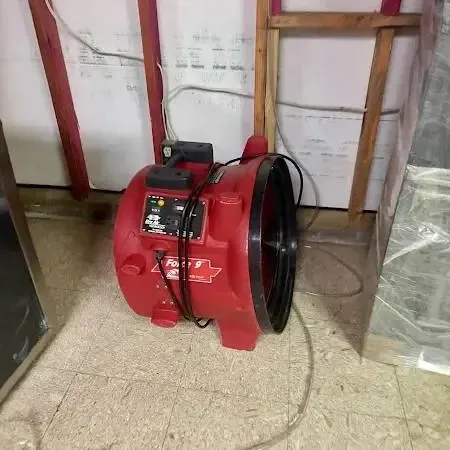
Every kind of water loss, one call
From one wet room to a flooded floor, the response team handles removal, drying and cleanup for owner houses, rentals and local shops, keeping the whole job under one plan.
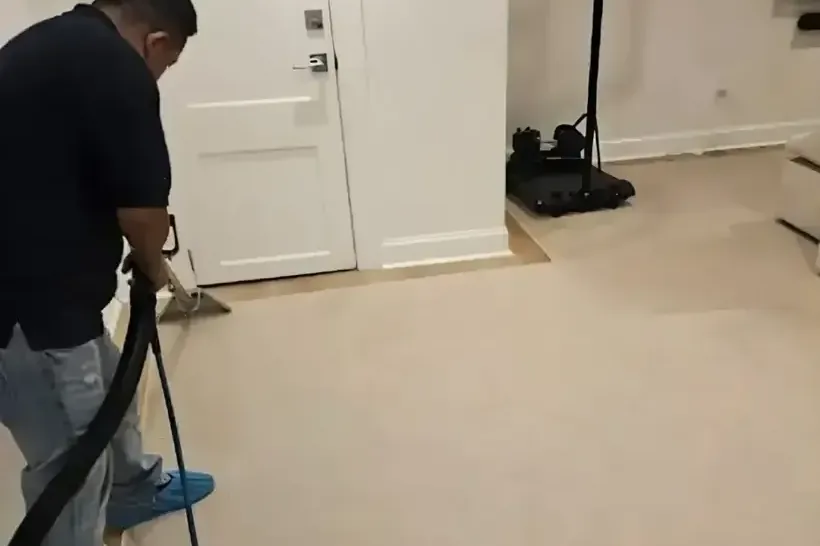 Water Extraction and RemovalPumps and extraction wands pull standing water from carpet, tile and hardwood before it spreads into walls and subfloors.View service
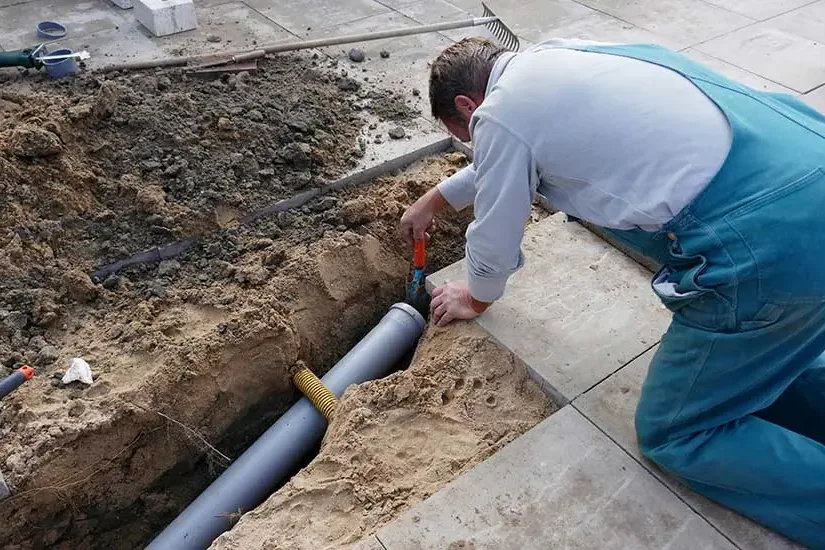 Slab Leak Water DamageA pipe leaking beneath concrete is traced from the damp floor above, then soaked flooring and wall bottoms are dried.View service
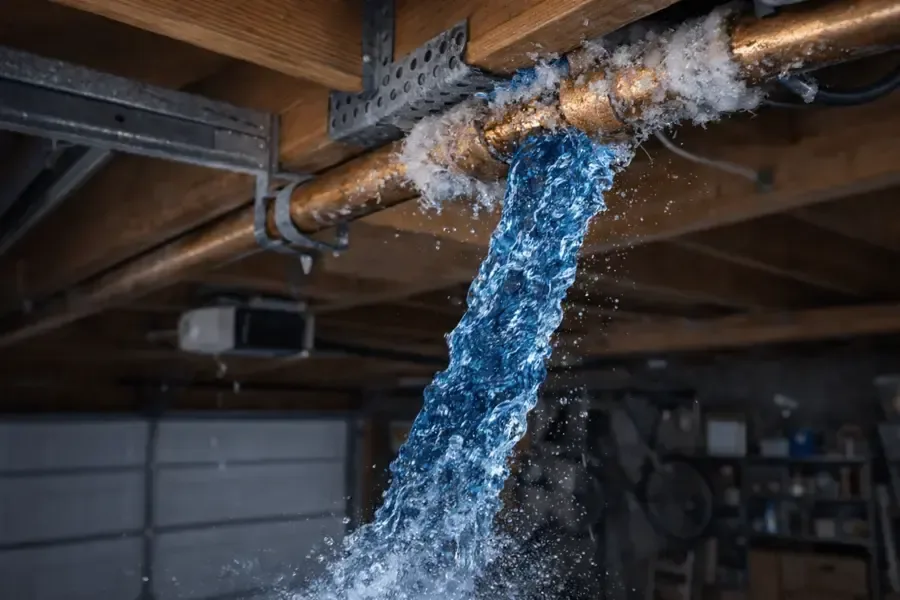 Burst Pipe Water DamageA split supply pipe can release a lot of water fast, so removal and wall cavity drying follow right after the shut-off.View service
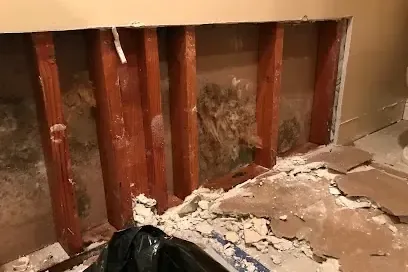 Frozen Pipe Water DamageFreeze splits often show up after the thaw, when water appears in ceilings, walls and cabinets.View service
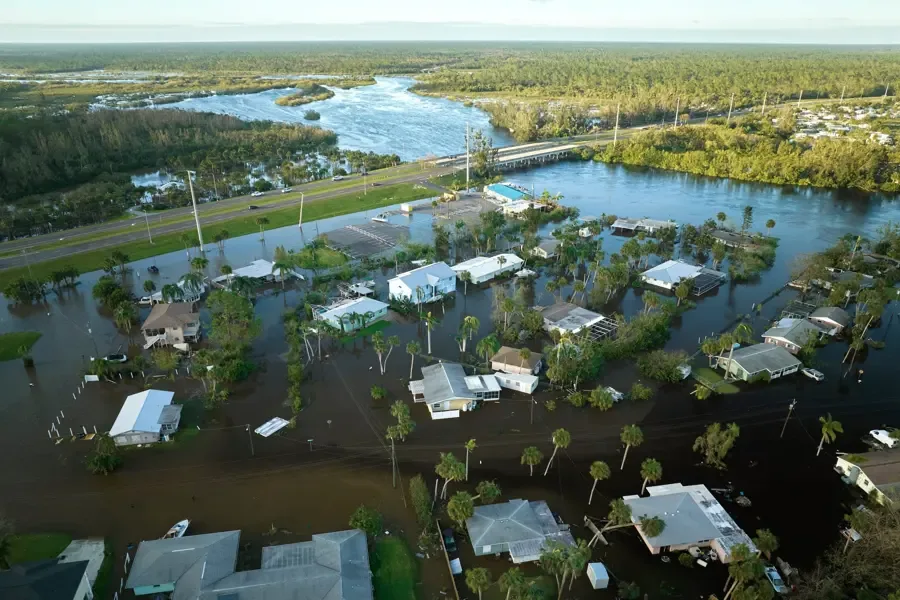 Flash Flood and Storm Water CleanupStorm water that enters through doors or low spots is pumped out, then floors and lower walls are cleaned and dried.View service
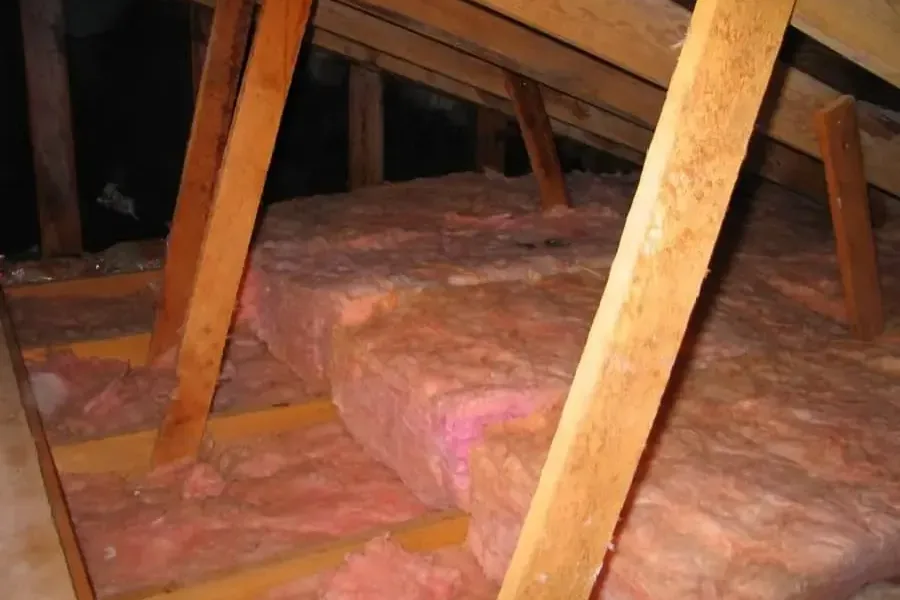 Roof Leak Water DamageLeaks after heavy rain or hail soak insulation and ceilings, so wet layers are removed and the framing is dried.View service
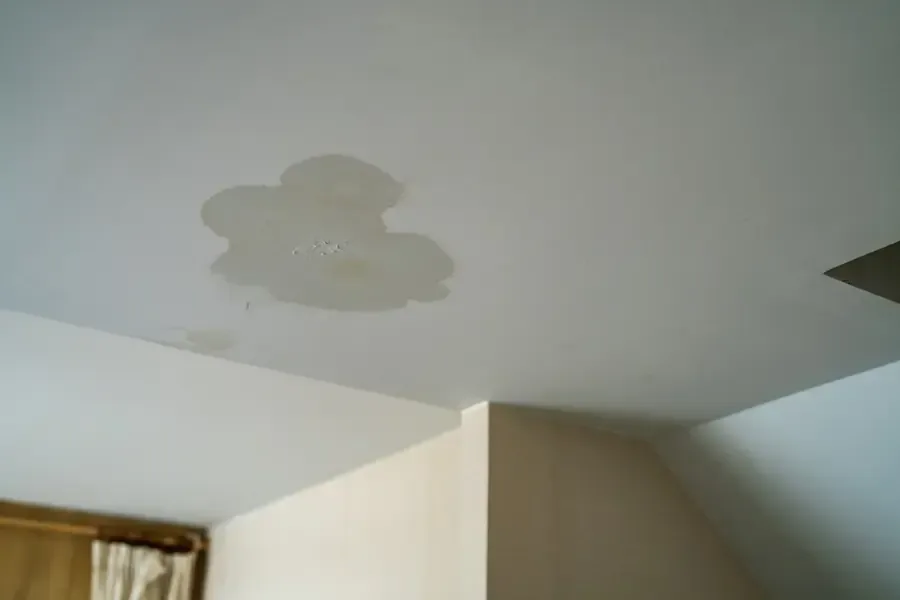 Ceiling Leak Water DamageStained or sagging ceilings are traced to the roof, an upstairs fixture or an attic pipe before drying begins.View service
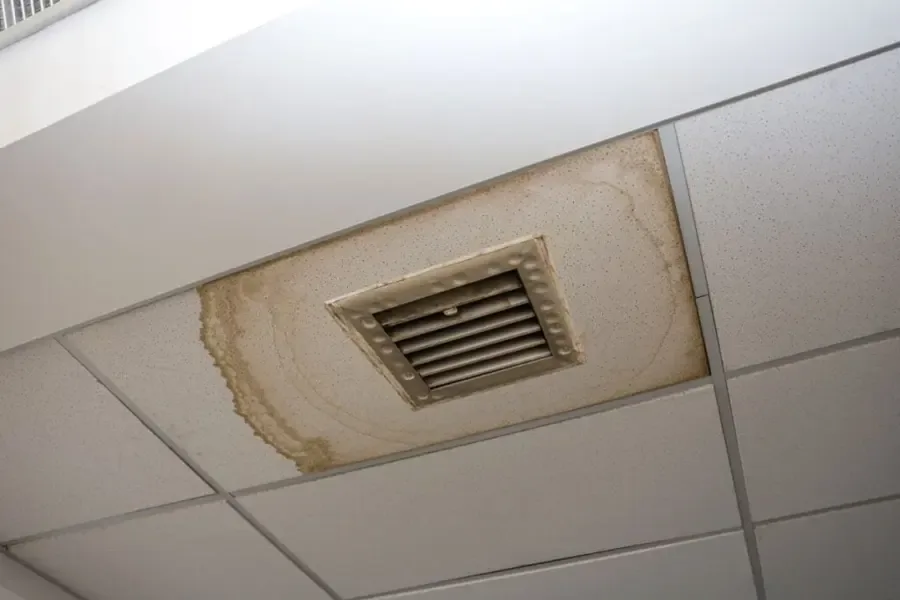 AC Condensate Leak Water DamageA clogged condensate drain can overflow into ceilings and closets, so the overflow source is found first.View service
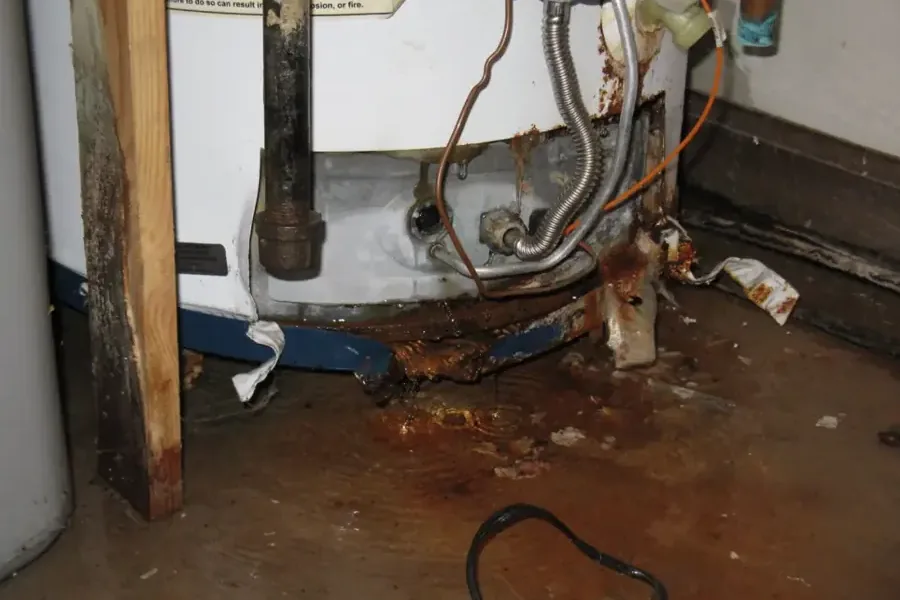 Water Heater Leak CleanupA leaking tank spreads water across floors and walls, and the cleanup follows the same steps in any home.View service
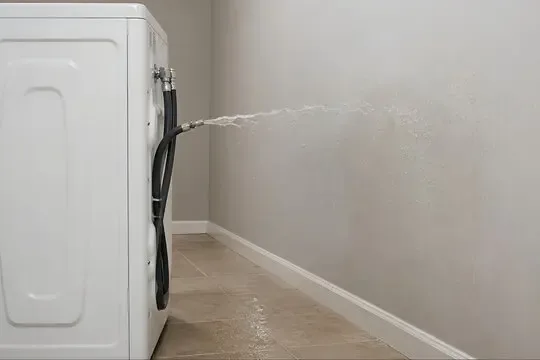 Appliance and Supply Hose LeaksWasher hoses, dishwasher supplies and refrigerator connections fail in rentals and owner houses alike, and the wet cabinets and floors are dried.View service
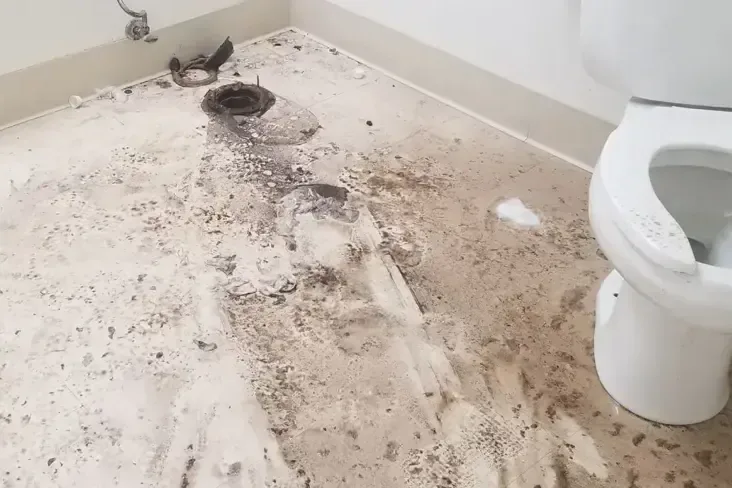 Sewage Backup CleanupBacked up drains put contaminated water on floors, so affected materials are removed and surfaces are cleaned and disinfected.View service
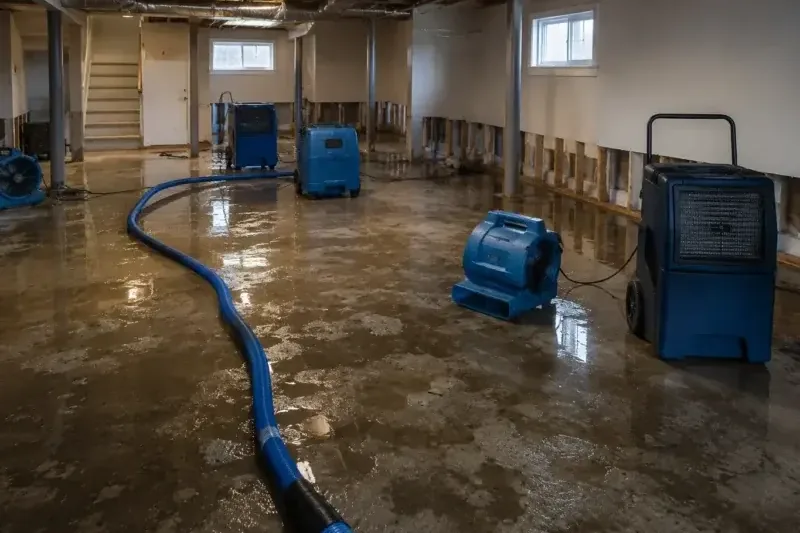 Structural Drying and DehumidificationOnce standing water is gone, air movers and dehumidifiers pull moisture out of framing, subfloors and wall cavities.View service
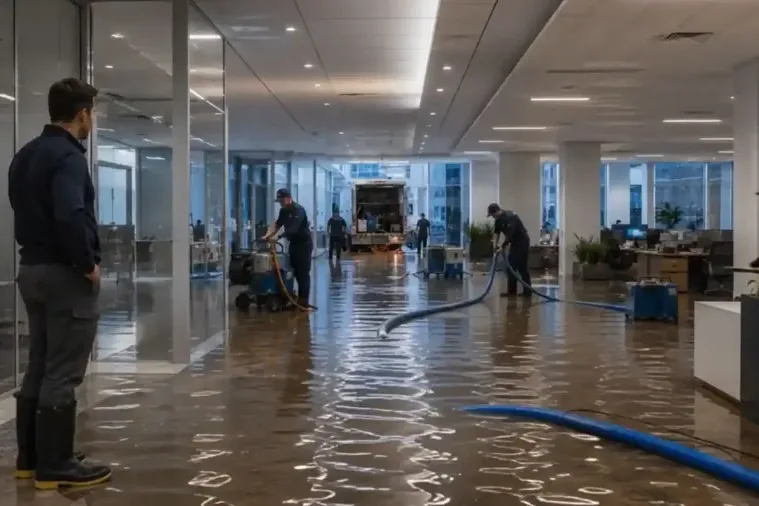 Commercial Water DamageShops and offices need drying plans that limit downtime, with flooring, ceilings and stock areas checked for moisture.View service
Drying that follows the readings, not the clock
Every job starts by finding where the water went, because wet drywall, insulation and subfloor can hold moisture long after the surface looks dry. Meter readings drive each step.
Source found first
The leak or backup point is located and stopped before drying begins, so the same wall is not wet again next week.
Moisture mapped
Meters and thermal checks show how far water traveled behind baseboards, under flooring and inside wall cavities.
Gear sized to the room
Air movers and dehumidifiers are placed by the wet area and the material, not by a fixed count.
Records for the claim
Photos, readings and a written scope are kept so the adjuster can follow exactly what was done.
Equipment brought to a typical job
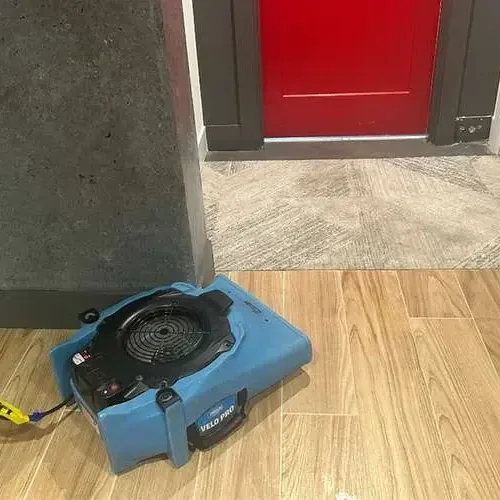
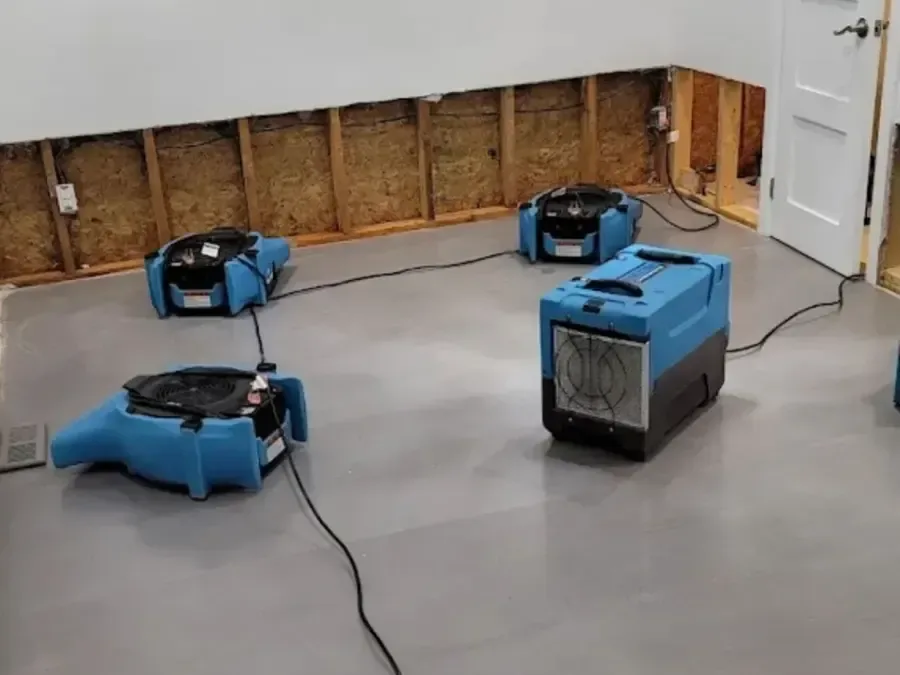
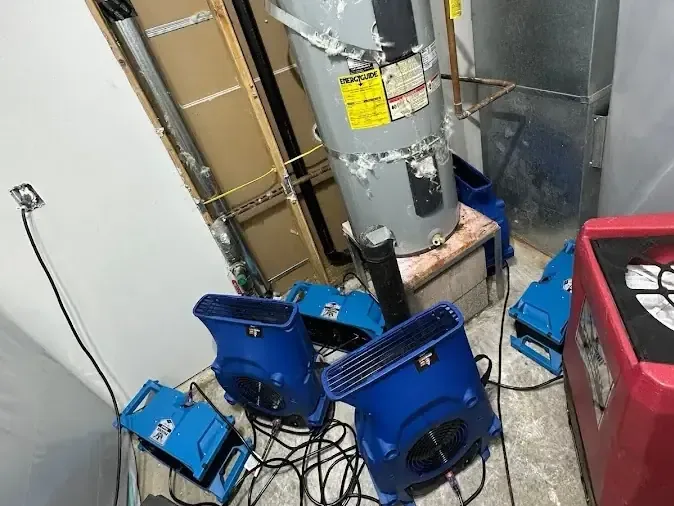
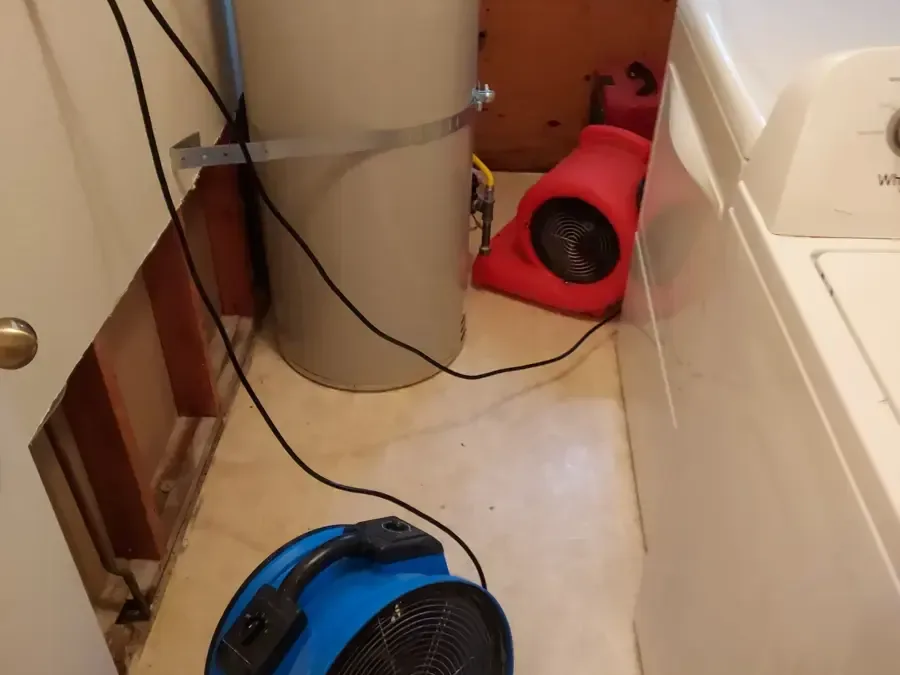
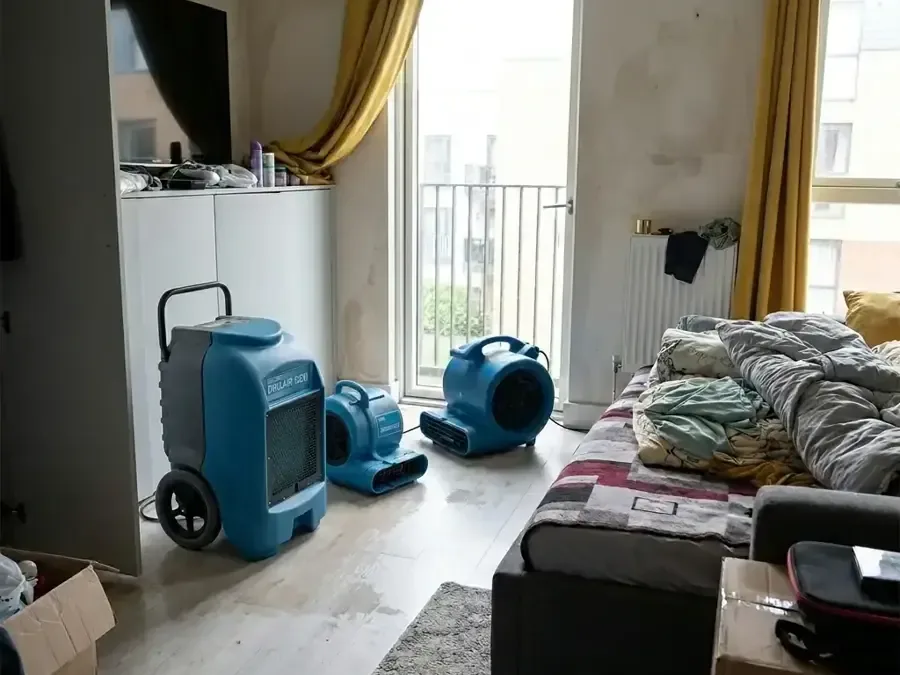
- Air movers push dry air across floors and low walls to speed up evaporation.
- Dehumidifiers pull moisture out of the air so wet materials keep releasing water.
- Extraction units and pumps remove standing water from carpet, tile and hardwood.
- Moisture meters and thermal cameras show where water is still hiding behind surfaces.
A repeatable method from first visit to final reading
Every job follows one order: assess and document, remove the water, open what is wet, dry with measured equipment, and confirm with readings before any rebuilding begins, so nothing is left to guesswork.
- Assess the loss: The source, the water type and the affected rooms are identified, and moisture is mapped with meters before any equipment is placed.
- Remove the water: Pumps and extraction wands take out standing water so evaporation can start working on what remains.
- Open and dry: Baseboards, wet insulation and damaged drywall are opened or removed, then air movers and dehumidifiers run on a set plan.
- Verify and record: Readings are taken until materials return to a dry standard, and the final log goes to the homeowner and the adjuster.
What water damage restoration tends to cost
Cost depends on how many rooms are wet, what kind of water it was and how long materials stayed damp. The tiers below show the usual ranges, and a written scope sets the actual figure.
Small, contained loss in one or two rooms
- Standing water extraction
- Air movers and a dehumidifier
- Moisture checks at each visit
Several rooms or wet walls
- Wall and floor drying
- Daily moisture readings
- Removal of damaged material
Large or contaminated loss
- Category 3 cleanup
- Extended drying time
- Rebuild coordination with trades
Ranges are planning figures, not quotes. Contaminated water, dense materials and hidden damage can move a job into a higher tier, and the written scope confirms the figure.
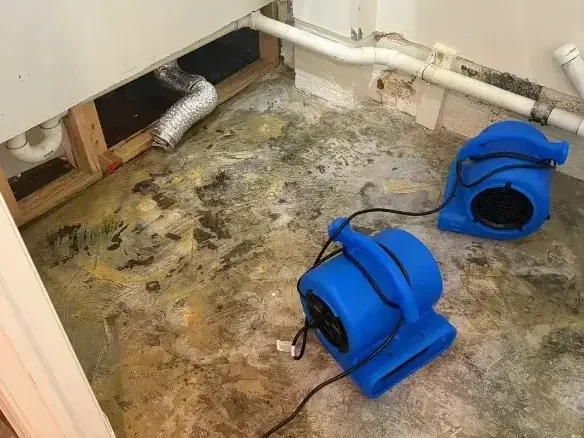
What typical drying setups look like
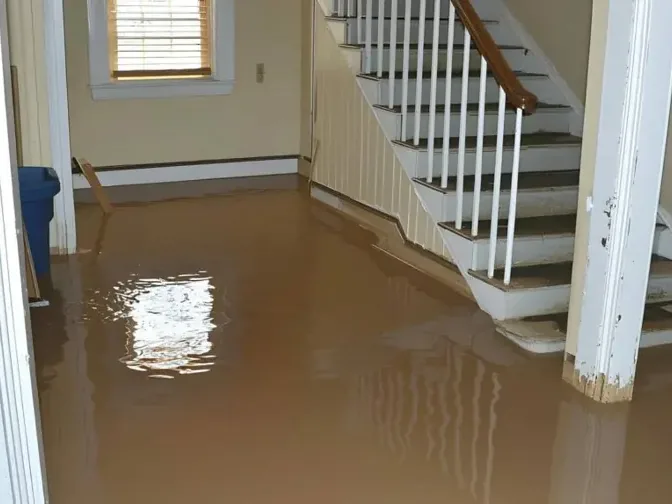
Records that support the claim
Adjusters work from evidence, so each visit adds photos, moisture readings and notes that tie the damage to its cause and show exactly what work was done.
Starting the claim
Homeowners report the loss to the carrier as soon as the water is stopped, then send the photos and the drying log as they are produced.
Tenants start with the property manager, since 30.0 percent of occupied homes in Converse were rented in 2020 and the owner's policy usually covers the structure itself.
What to do first when water is spreading
- Stop the water: Close the fixture valve or the main shut-off, then switch off the water heater if it is the leak. Running water keeps soaking floors and drywall.
- Respect the electrics: If water reached outlets, appliances or the panel, leave the breaker off and stay clear of the wet area until it is safe to enter.
- Move what can move: Lift small furniture, rugs and boxes onto dry surfaces, and carry electronics out of the wet room.
- Photograph everything: Take wide and close photos of the wet areas, damaged items and the water source before anything is removed, for the claim.
- Call the drying team: Describe what happened, where the water is and what has been shut off, so the response team can plan equipment and crew.
Water damage crews serving Converse
Roads and neighborhoods
Nearby cities
Reaching houses, rentals and shops alike
Calls come from houses near Horizon Pointe and Woodlake, from rentals and from shops along the major roads, and each job is scoped to the address involved.
The first call covers what happened, where the water is and what has been shut off, which lets the crew plan equipment before the visit.
(888) 926-4485Call and describe the lossHousehold failures behind many water losses
The category sets what can be dried in place and what has to come out.
Water heater leaks
A rusted tank or a failed fitting can spill across a closet, garage or ceiling below, and the wet materials are removed and dried.
Water heater cleanupAppliance and hose leaks
Washer hoses, dishwasher supplies and refrigerator connections soak cabinets, flooring and the wall behind them.
Appliance leak cleanupSewage backups
A blocked drain can push contaminated water through bathrooms and floors, which calls for removal of porous materials and careful cleaning.
Sewage backup cleanup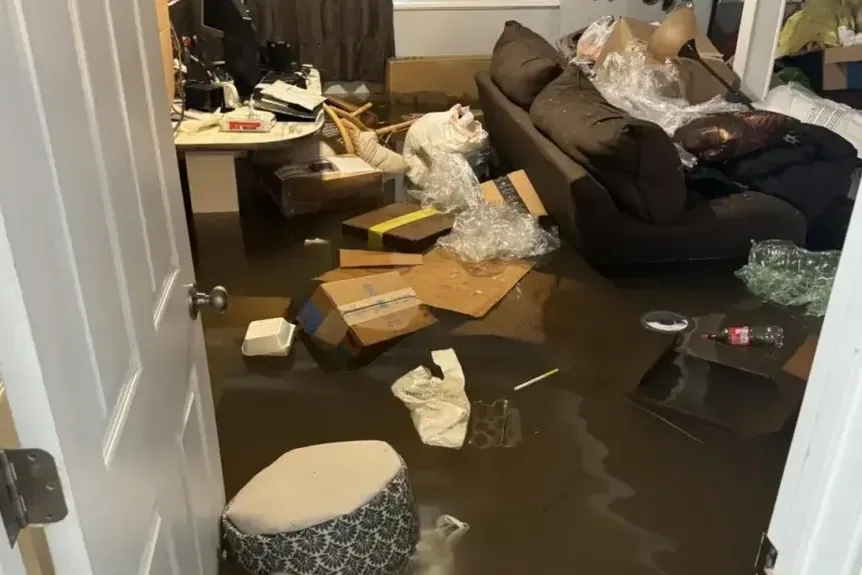
Where water trouble starts in Converse
Water losses in Converse come from the same few sources as anywhere in the San Antonio area: failed plumbing, appliance hoses, storm water and roofs, and drains that back up.
- Storm water entry: Heavy rain can push water under doors, through garage openings and along low spots, carrying mud and debris that need careful cleanup.
- Roof leaks after hail: Hail hit parts of the San Antonio area in April 2023, and storms like that often leave small roof openings that drip into ceilings and insulation.
- Hose and supply failures: Washer, dishwasher and refrigerator connections fail without warning, and the damage lands in rentals as well as owner houses.
- Winter freeze splits: Pipes burst across the San Antonio area in February 2021 and SAWS offered repair help, a reminder of what one hard freeze can do regionally.
- Water heaters and AC drains: Tank leaks and clogged condensate drains drip quietly into closets and ceilings, so stains and soft spots often show before running water does.
April 21, 2023: A severe thunderstorm warning named Converse, and a flash flood warning was also in effect. No damage figures are confirmed.
Common water damage questions
Water still spreading right now?
Shut off the supply, keep clear of wet electrical items and call the drying team to start extraction and a plan.
(888) 926-4485 Talk to a restoration proWhat should a homeowner do first when water is spreading?
Close the nearest shut-off valve or the main, turn off power to wet areas if it is safe, move belongings to dry surfaces and photograph the damage. Then call a drying team to plan removal.
How long does structural drying take?
Structural drying usually needs several days of running equipment, and dense materials such as hardwood or thick framing can take longer. Daily readings decide when the equipment actually comes out.
Does homeowners insurance cover water damage?
Coverage depends on the policy and the cause. Sudden events such as a burst pipe or a failed hose are commonly covered, while slow seepage over time often is not. The carrier makes the final call.
How are rentals handled when water gets in?
Tenants should report the loss to the property manager right away, because the owner and the renter usually carry different coverage. The drying log helps both sides.
Is sewage cleanup different from clean water cleanup?
Yes. Sewage carries bacteria, so porous materials such as carpet and drywall are usually removed rather than dried, and the surfaces are cleaned and disinfected as part of sewage backup cleanup.
Can wet carpet and padding be saved?
Clean water caught quickly can often be dried in place, though the pad is commonly replaced. Contaminated water or long exposure usually means the carpet and pad are removed. The call is made from readings and a close look at the material.
How is hidden moisture found?
Moisture meters and thermal cameras read behind baseboards, under flooring and inside wall cavities, so wet areas are mapped before equipment is placed. Readings are repeated each visit to show progress.
What happens if drying is delayed?
Wet drywall and insulation can start to grow mold within 24 to 48 hours, and flooring may cup or swell, so delays usually raise both the damage and the repair cost.
Do shops and offices follow the same process?
The steps match, but commercial jobs focus on keeping the space usable. Choose Converse counts 493 businesses employing 5,310 workers, so drying plans for shops and offices limit downtime.
Who fixes the pipe, the restoration team or a plumber?
A plumber repairs the pipe, hose or fixture. The restoration team removes the water and dries the structure, and the two jobs are timed so repairs and drying do not block each other.
Standing water and wet walls do not dry on their own
The restoration team stops the spread, removes the water and builds a drying plan for every room involved.
(888) 926-4485Reach the restoration team now