Structural Drying and Dehumidification in Selma, TX
After the water is out, framing, subfloor and drywall still hold moisture, so air movers and dehumidifiers run while meters track every material until the readings show a dry finish.
(888) 926-4485Ask about drying equipment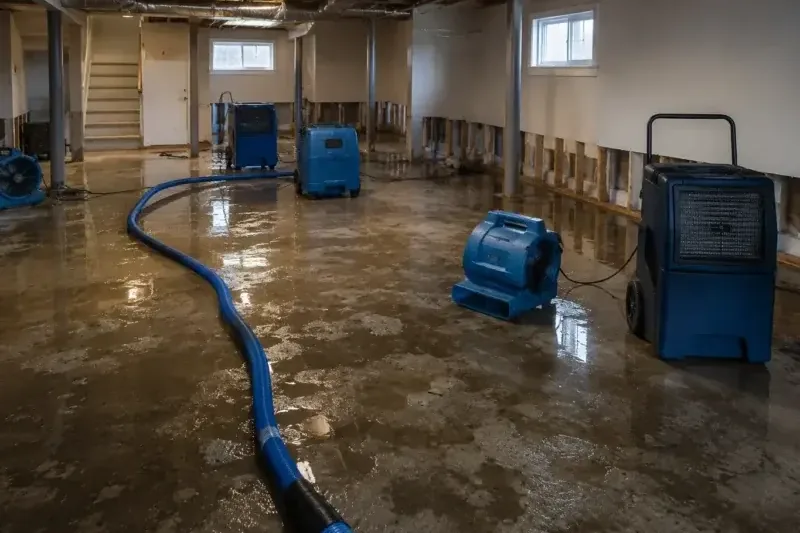
What each dry-out includes
Dispatch at any hour
The response team runs 24/7, and active water is treated as urgent on nights, weekends and holidays.
IICRC S500 drying
Air movers and LGR dehumidifiers are sized to the class of loss, and materials dry to within 2 to 4 points of a dry reference.
A claim file from the first visit
Moisture maps, daily psychrometric logs and timestamped photos taken before demolition go to the adjuster.
Built for slab homes
Clay soil, slab plumbing, attic water heaters and attic AC units are checked on every walkthrough.
First moves for structural drying and dehumidification
- Keep doors closed
Closed doors and windows let equipment dry the space efficiently.
- Leave equipment on
Turning it off early leaves moisture in the framing.
- Hold off on repairs
Painting or covering damp surfaces traps moisture behind them.
- Expect noise and heat
Fans and dehumidifiers run all day and warm the room.
What does structural drying and dehumidification cost in Selma, TX?
Structural drying is priced by the size of the area and the type of material, since dense subfloors and hardwood hold water longer than drywall and carpet and need more days of equipment.
One area, light moisture
- Air movers and dehumidifier
- Meter readings
- Equipment checks
Several rooms
- More equipment placed
- Wall cavity drying
- Daily readings
Dense hardwood or concrete
- Specialty drying mats
- Extended drying schedule
- Full documentation
Ranges are typical, not a quote: water category, square footage, material class and how fast drying started move the number most. The water damage cost calculator gives a closer range.
How structural drying and dehumidification is handled in Selma
Map moisture
Meters and a camera show each wet material.
Place equipment
Air movers and dehumidifiers are sized to the room.
Monitor and adjust
Readings are checked and equipment moves as areas dry.
Confirm the finish
Equipment comes out when every material reads dry.
Water that has been extracted still leaves moisture inside wood, drywall and insulation, and that moisture does not leave by itself in a closed house. Structural drying moves warm, dry air across wet surfaces and pulls the humidity out of the room, so materials release what they absorbed. The drying team checks each surface with meters rather than guessing by feel.
What a dry out involves
- Air movers placed to sweep wet floors and walls
- Dehumidifiers sized to the volume of the room
- Wall cavities and subfloors dried with controlled airflow
- Equipment moved as readings change from area to area
Doors stay closed during drying so the equipment can work on the space.
Fans running but the walls still feel damp? Ask about measured drying.
(888) 926-4485Ask about equipmentWhen materials are removed instead
Some materials do not dry well and cost more to dry than to replace, such as carpet pad and heavily swollen drywall. The team decides this with meter readings, keeping salvageable framing and subfloor in place and removing only what will not recover. Hardwood and thick subfloor take longer than carpet or drywall, so drying schedules vary.
Find the main shut-off now
Locate the main water valve before a leak and check that it turns freely. Closing it early is the cheapest way to limit water damage.
How long it takes
Drying runs until every reading matches the dry reference for that material. Losses that began with water extraction or a burst pipe usually need several days, and the schedule is adjusted as readings change.
Structural drying and dehumidification across Selma and nearby towns
Coverage runs day or night, weekends and holidays included.
Drying equipment goes into homes across the city, from Retama Springs and Selma Park Estates to Olympia, Chelsea Crossing and the Interstate 35 corridor, wherever water has soaked the structure.
The same service nearby: structural drying and dehumidification in Schertz, Universal City, Live Oak.
Water damage restoration in Selma Every town coveredStructural Drying and Dehumidification questions, answered
Water still moving?
Fans running but the walls still feel damp? Ask about measured drying.
(888) 926-4485 Ask about equipmentHow long does structural drying take?
Most jobs run several days, longer for hardwood, thick subfloors or cavity insulation. Meters decide the end point, not the calendar, so equipment stays until every material reads dry.
Why does the house get warm during drying?
Dehumidifiers and air movers give off heat, and warm air holds and releases moisture more readily, which speeds drying. Expect the room to feel warm and dry while equipment runs.
Can wet drywall be dried instead of replaced?
Sometimes. Drywall wet briefly with clean water can dry in place, while drywall that sagged, stained or sat wet for days is removed because it will not regain strength.
How are readings recorded?
Moisture meters check each wet material at set locations, and the values are logged with dates and photos. That record shows the adjuster the drying was verified.
What happens if drying stops too early?
Moisture left in framing and subfloor leads to odor, swelling, warped flooring and mold growth after repairs are closed up, which is costly to reopen.
Measured drying keeps hidden moisture from returning later
A call covers what was wet, how long it has been that way and what equipment the space needs, then the drying team lays out how readings will be tracked to the finish.
(888) 926-4485Phone about drying