Water Damage Restoration Live Oak, TX
When a pipe splits, an appliance fails or storm water gets inside, the restoration team in Live Oak finds the source, removes standing water and sets up drying equipment.
(888) 926-4485Call for water removal nowMoisture readings and photos are kept as the job moves along, so the insurer sees what the water reached.
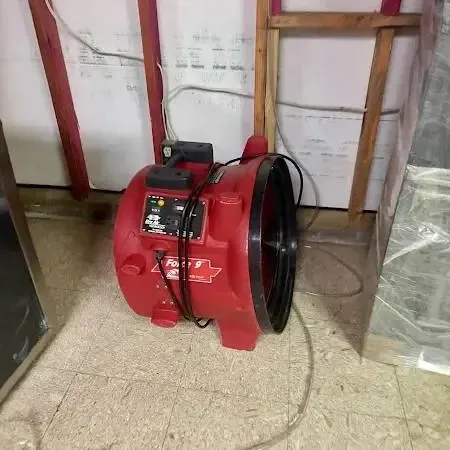
Every kind of water problem, handled locally
Each service below covers a different way water gets into a house or building, and each one is extracted, dried and cleaned a little differently.
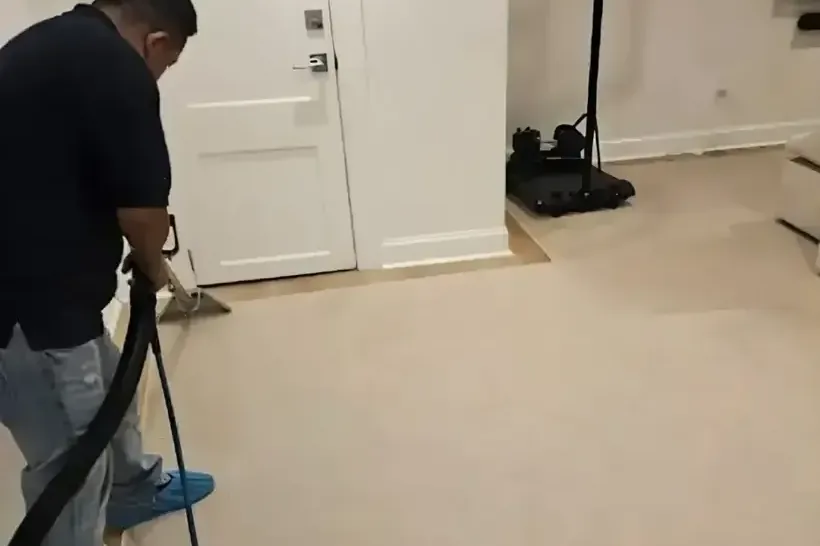 Water Extraction and RemovalExtraction wands and pumps pull standing water out of carpet and flooring before it soaks deeper.View service
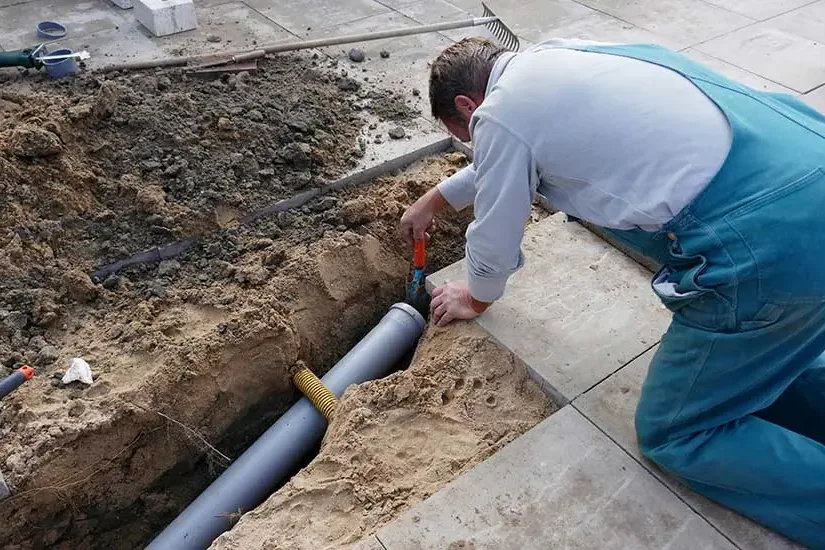 Slab Leak Water DamageA supply pipe leaking under a concrete slab sends moisture into floors and walls, so the source comes first.View service
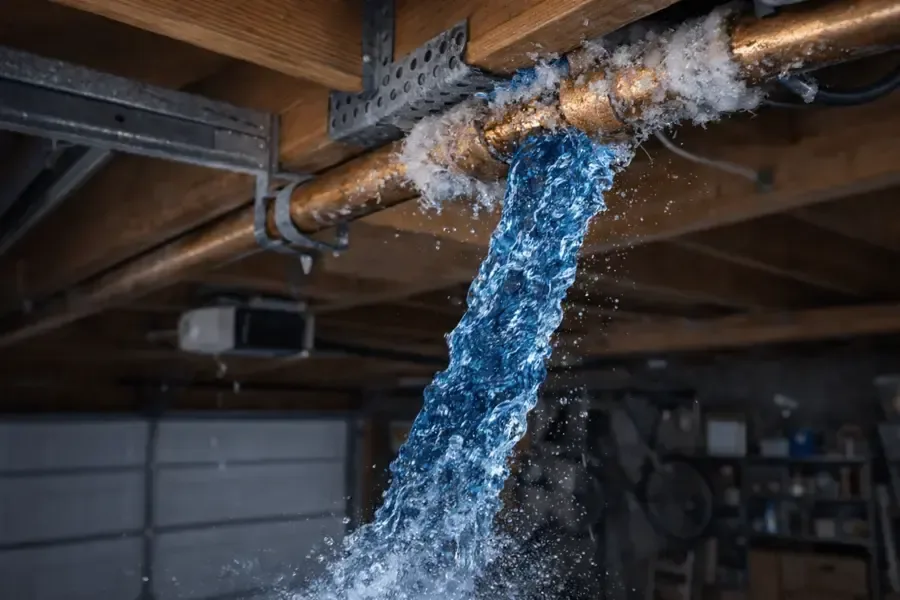 Burst Pipe Water DamageA split pipe can soak walls, ceilings and floors quickly. Extraction and drying begin once the water is off.View service
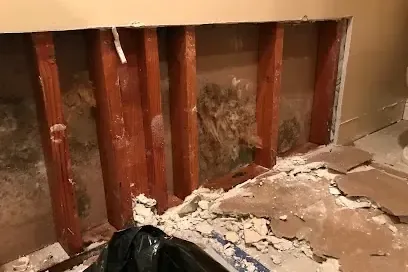 Frozen Pipe Water DamageA frozen pipe can split, and the leak shows once it thaws. Wet walls and ceilings are dried.View service
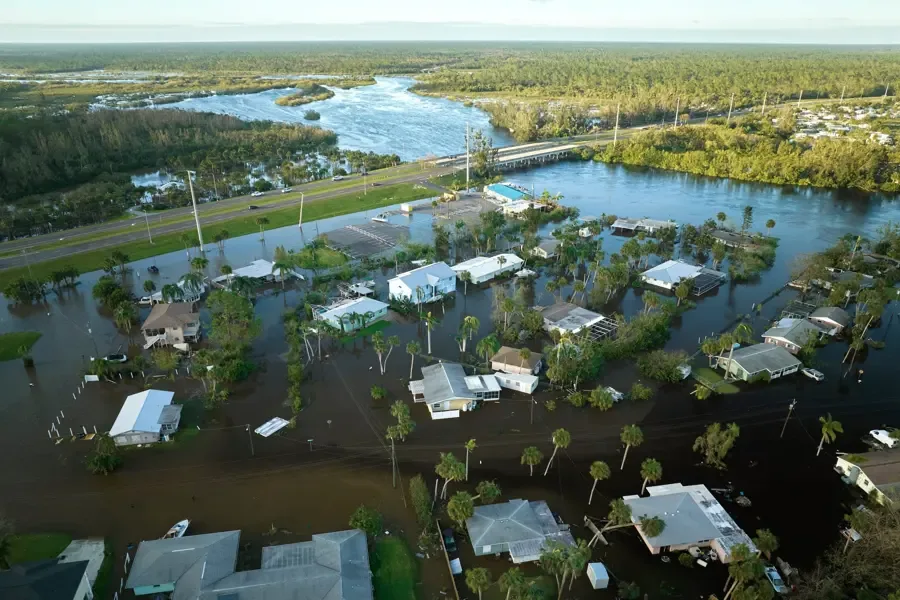 Flash Flood and Storm Water CleanupCreek overflow or backed-up storm drains can push muddy water indoors. It is pumped out and dried.View service
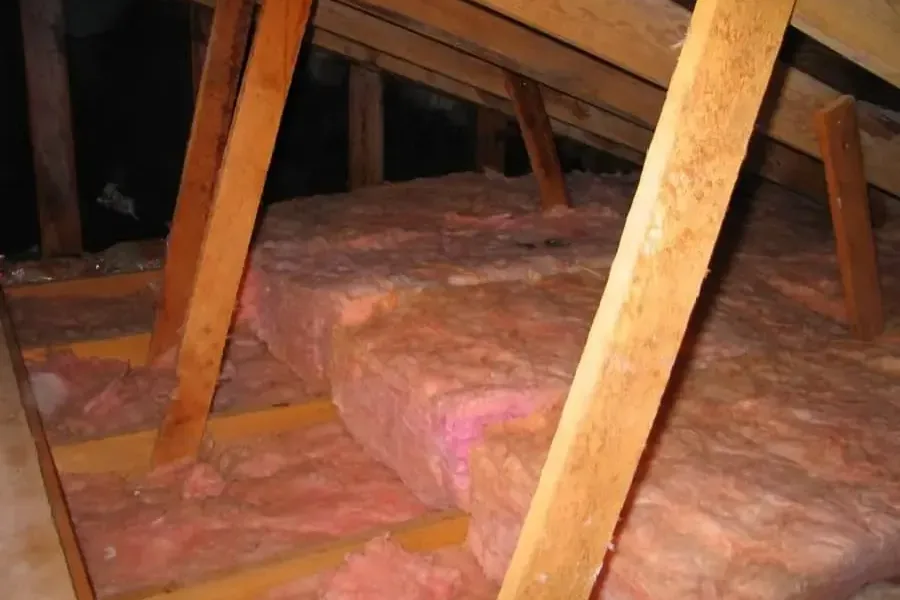 Roof Leak Water DamageRain that gets past the roof soaks insulation, ceilings and wall tops, and the wet material is removed.View service
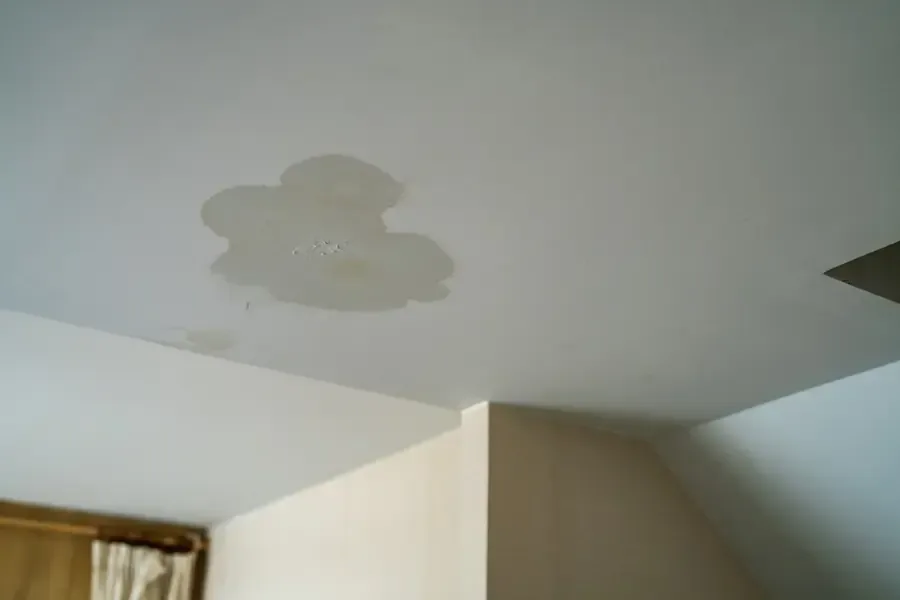 Ceiling Leak Water DamageA stained or sagging ceiling means water is coming from above, so the source is traced before drying.View service
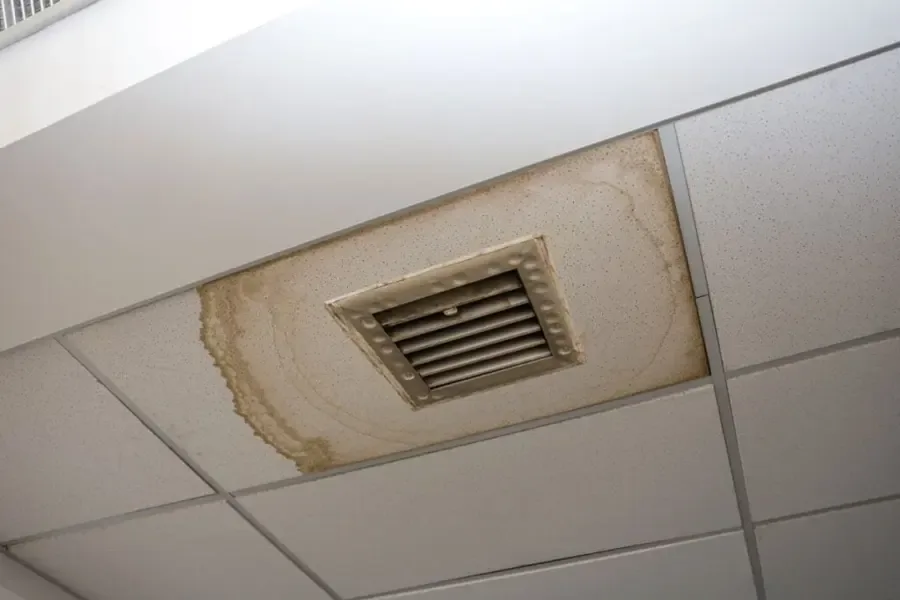 AC Condensate Leak Water DamageA clogged condensate drain or full pan can soak insulation, ceilings and walls while air conditioners run hard.View service
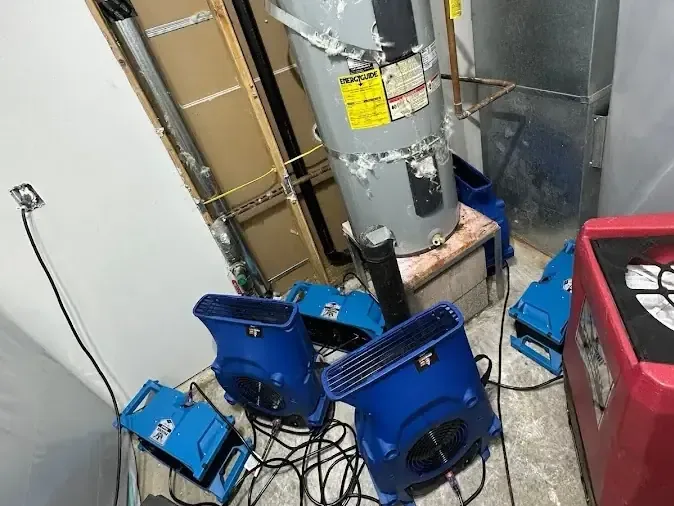
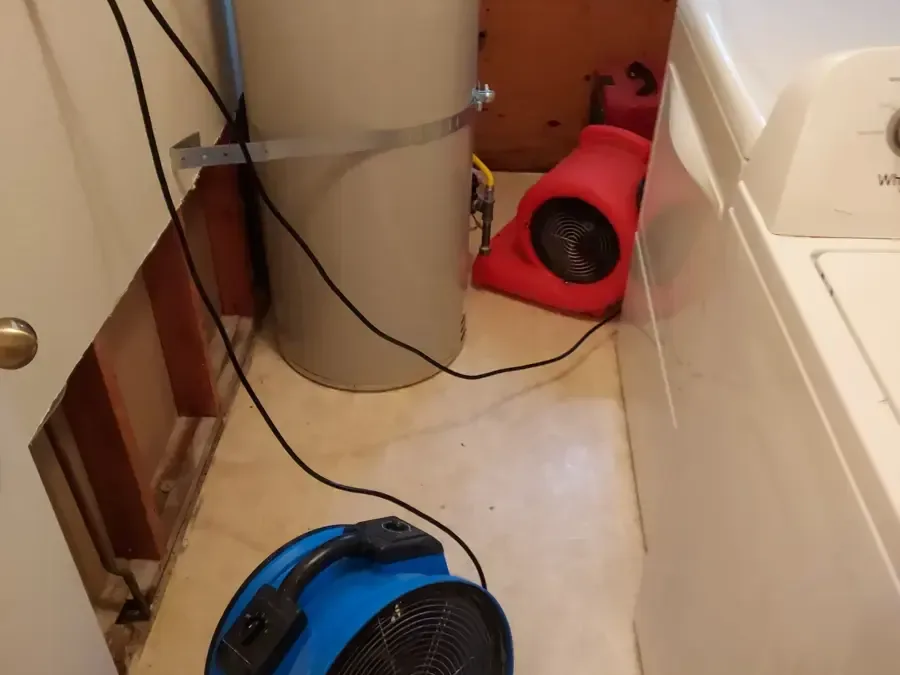
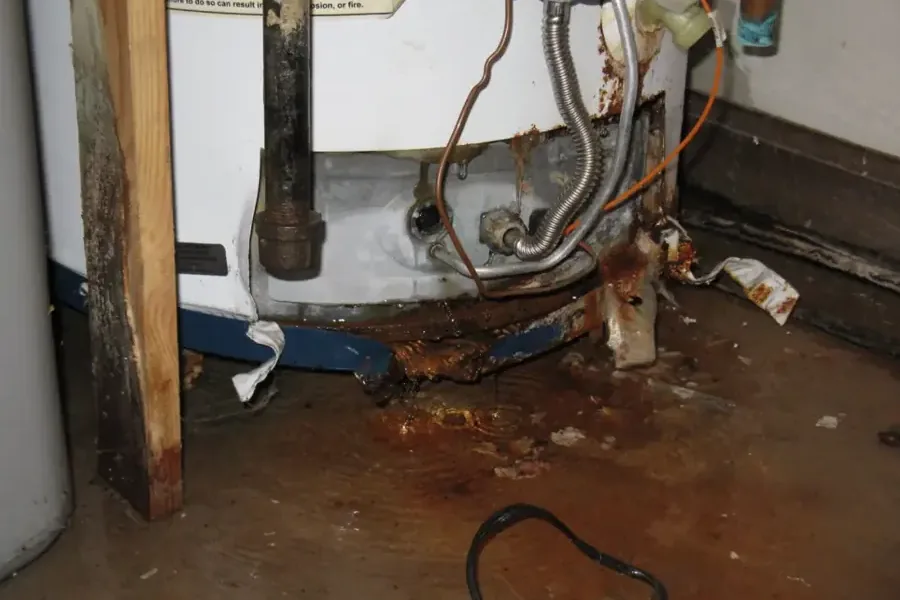 Water Heater Leak CleanupA leaking tank or failed fitting can flood a closet or utility room, and the water is removed first.View service
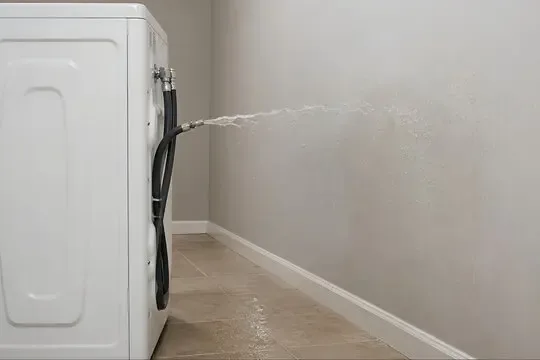 Appliance and Supply Hose LeaksA washer, dishwasher or refrigerator can fail at a supply hose or drain hose and soak floors and cabinets.View service
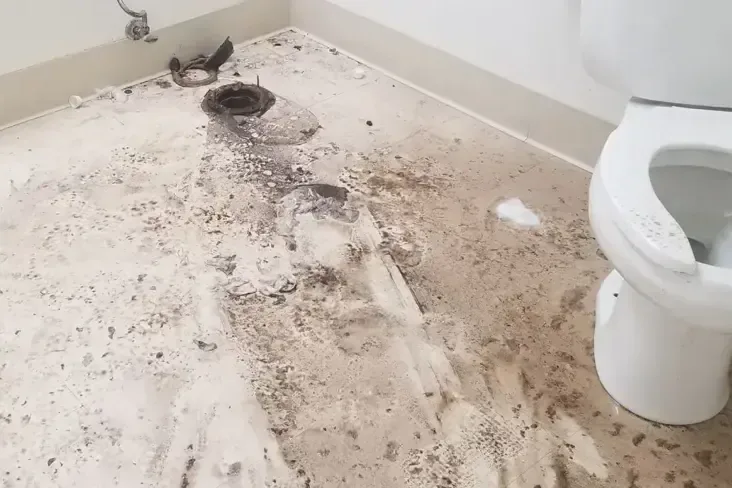 Sewage Backup CleanupBacked-up sewage is contaminated water, so it is removed with protective gear and the area is cleaned.View service
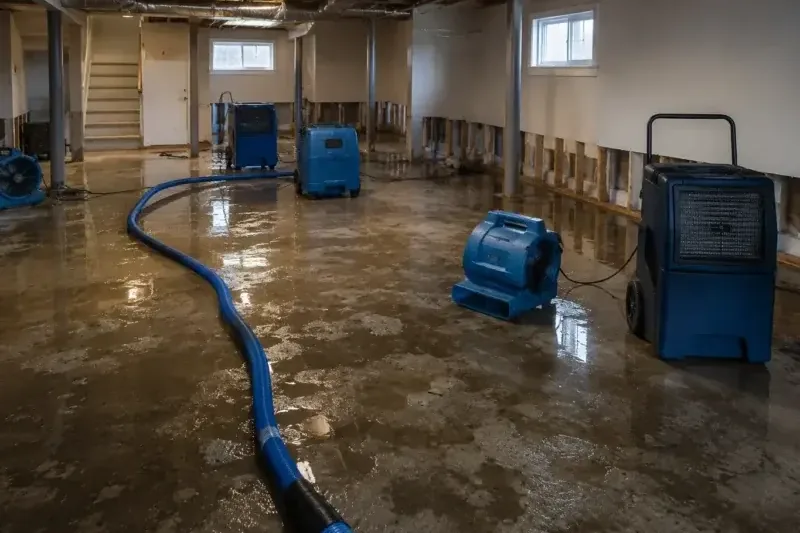 Structural Drying and DehumidificationAir movers and dehumidifiers pull moisture out of framing and subfloors, with readings tracked until dry.View service
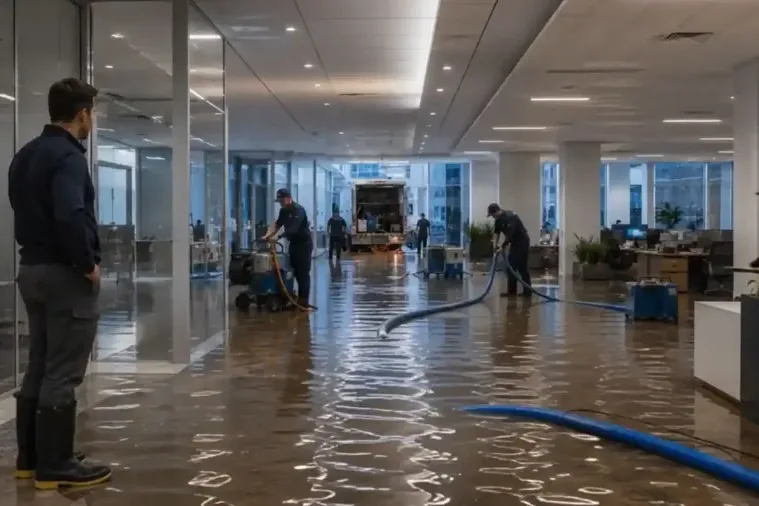 Commercial Water DamageBusiness spaces get the same extraction and drying, planned around floors, suites and daily operations.View service
Water damage work that follows the moisture
Water travels farther than it looks, so the crew checks beyond the visible stain and sets equipment where the moisture actually is, room by room.
Source found first
Drying only works once the leak is traced and stopped, so the crew starts there before any equipment goes down.
Readings, not guesses
Moisture meters and thermal cameras show wet framing and subfloors that look dry on the surface.
Equipment sized to the job
Air movers and dehumidifiers are matched to each room, then moved as readings change from visit to visit.
Records for the insurer
Photos, readings and a list of removed materials are kept so a claim has clear support behind it.
Tools that work on a wet structure
- Air movers push dry air across wet floors and the base of walls.
- Dehumidifiers pull moisture from the air so wet materials can release theirs.
- Moisture meters test wood, drywall and flooring for water hidden inside.
- Thermal cameras show cooler, wet patches behind walls and ceilings.
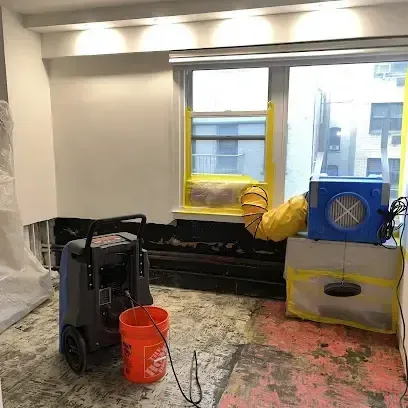
Drying ends when readings reach a dry standard
A dry-out is finished by numbers, not by how a room feels. The drying team compares moisture readings in wet materials with a dry reference taken from unaffected parts of the home.
- Find the source: The crew traces the source of the water, then maps which floors, walls and ceilings absorbed it.
- Remove the water: Pumps and extraction wands take out standing water and wring moisture from carpet and padding.
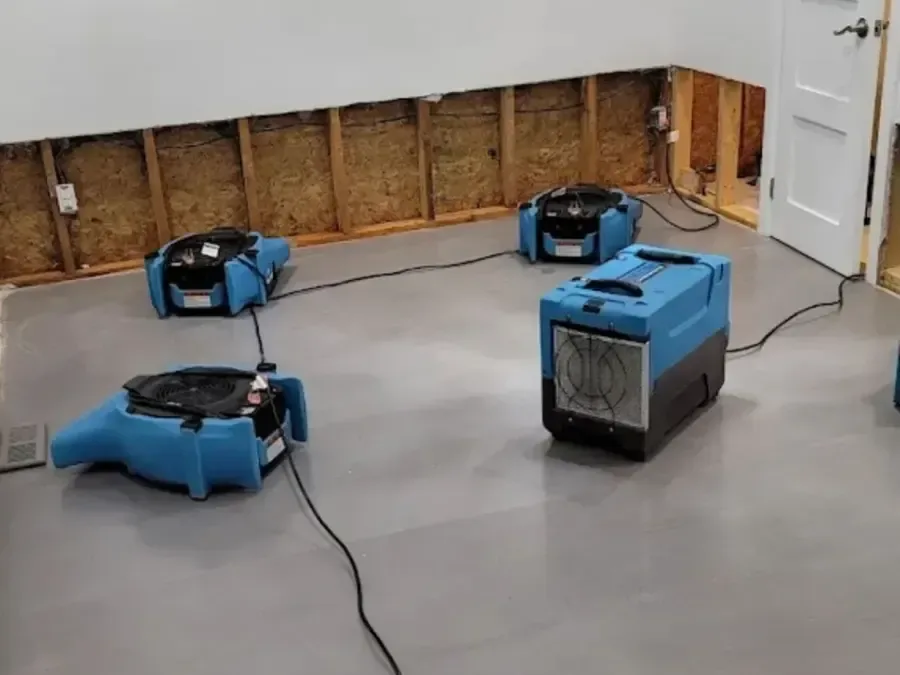
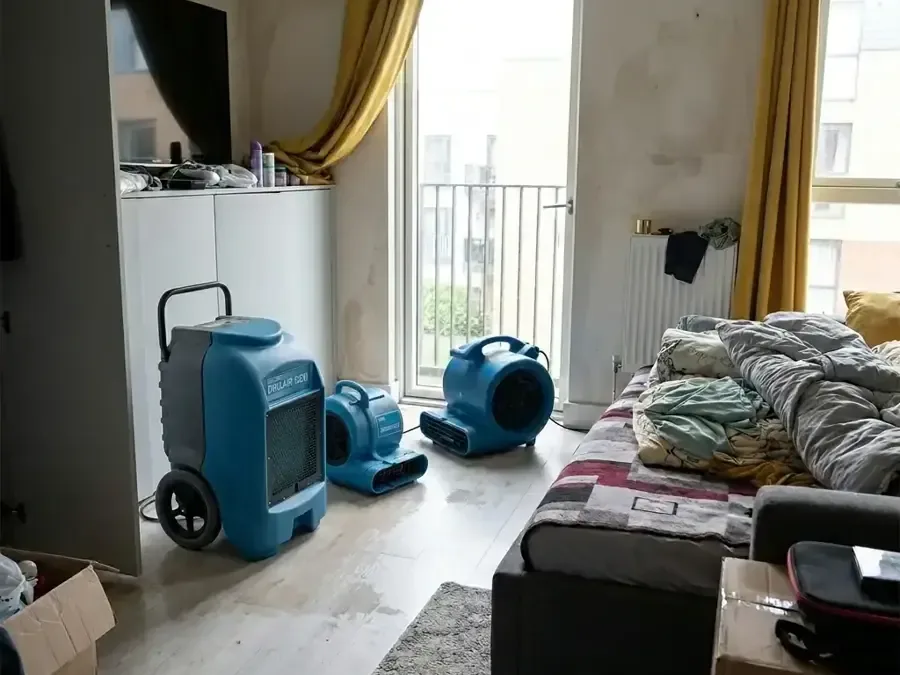
- Set the equipment: Air movers and dehumidifiers are placed to match each room, and wet materials that cannot dry are cut out.
- Check and adjust: Moisture readings are taken again on each visit, and equipment moves until every material reaches its dry goal.
What a water damage cleanup usually costs
Most water damage jobs fall between $1,200 and $12,000 or more, depending on how many rooms got wet, how long the water sat and whether it came from a clean or contaminated source.
One or two rooms
- Standing water removal
- Air movers and dehumidifier
- Moisture readings
Several rooms affected
- Wet drywall cut out
- Subfloor and wall drying
- Daily readings
Whole floor or sewage
- Wider material removal
- Extended drying time
- Contaminated water cleanup
These ranges cover typical homes. The final price depends on the damage the crew finds, the materials involved and how long the area takes to dry.
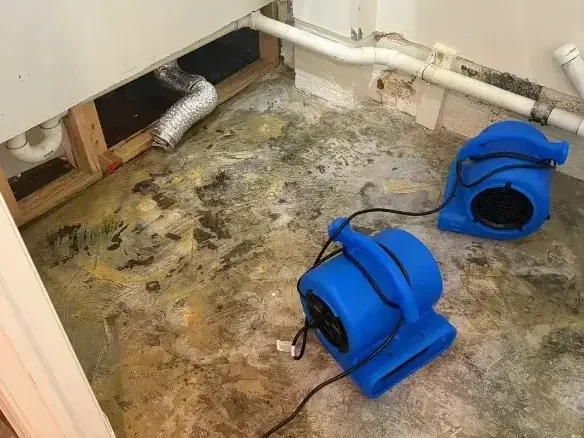
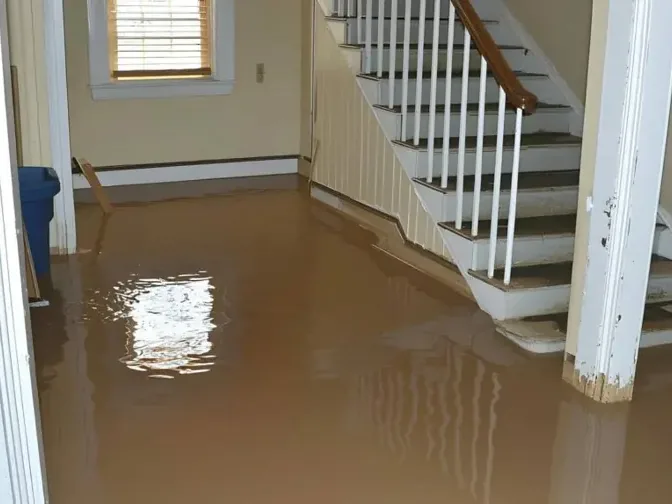
What typical dry-outs look like on site
Water damage and your policy
Coverage depends on the policy and the cause of the water, so the claim starts with a clear record of what happened and when.
What homeowners can document
Write down when the water was found and what caused it, and keep damaged items until the adjuster has seen them. Do not throw away wet materials before they are photographed.
Flood coverage is a separate policy from a standard homeowner's plan, so check which one applies before filing. The National Flood Insurance Program is the federal option the city points residents to.
What to do while water is still spreading
- Stay clear of power: Keep away from wet outlets and the electrical panel. Switch off power only if the floor around the panel is dry.
- Shut off the water: Close the valve for the broken pipe or appliance. Water past the city meter is the customer's responsibility.
- Lift what you can: Move small furniture, rugs, electronics and papers out of the wet area, and set furniture legs on blocks.
- Photograph everything: Take photos of the source, the damaged materials and any standing water before cleanup begins, because the insurer will ask.
- Call a restoration crew: Call once the water is off. Wet drywall, subfloors and framing dry best when equipment starts before they stay soaked.
Restoration crews cover homes and businesses throughout Live Oak
Main routes and landmarks
Nearby cities
Live Oak and the cities around it
Live Oak shares borders with Universal City, Selma and Converse, and the restoration team works across all of these communities.
Homes in the Judson Independent School District and the North East Independent School District, and properties along Interstate 35 and Loop 1604, are all part of the same service area.
(888) 926-4485Request a crew for your addressLeaks that start inside the home
The category sets what can be dried in place and what has to come out.
A water heater that leaks
Tank failures and loose fittings can flood a closet, garage or utility room. The water is removed and nearby materials are dried.
Water heater leak cleanupWasher and dishwasher hoses
A supply hose or drain hose can fail without warning and soak flooring and cabinets before anyone notices.
Appliance leak helpSewage in the house
A backed-up drain sends contaminated water into bathrooms and floors, and it needs protective gear and careful cleaning.
Sewage backup cleanup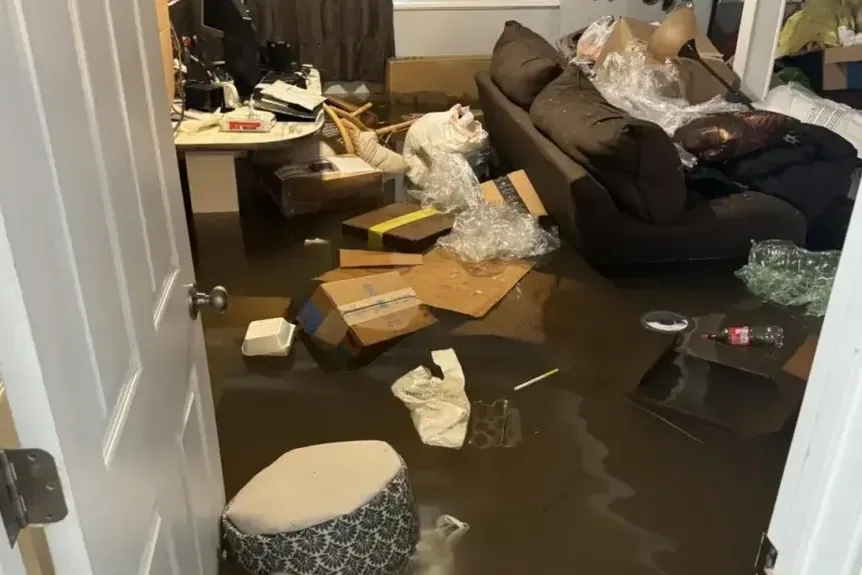
Creek flooding and clogged drains
The City of Live Oak says flooding here comes from West Salitrillo Creek, East Salitrillo Creek and a tributary of Cibolo Creek, and it can come with little warning.
- Flood hazard areas: Some portions of the city are designated a Special Flood Hazard Area, the area subject to a 100-year flood on the FEMA Flood Insurance Rate Map.
- Flooding outside the zone: A property does not need to be in a flood hazard area to flood, because clogged drainage courses or storm drains can back up into upland homes.
- Leaves in storm drains: The city names leaves clogging storm drains as the primary source of most flood occurrences and asks residents to keep gutters, downspouts and culverts clear.
- Flood zone questions: City Public Works can discuss a property's flood zone and an Elevation Certificate, and the city lists FEMA and Bexar Regional Watershed Management for flood information.
- Water service leaks: The city's water responsibility ends at the meter connection, so a leak past it belongs to the customer and leaks are reported to the Utility Business Office.
1998: The city says heavy rains in 1998 caused flooding and damaged buildings in its designated Special Flood Hazard Areas.
Common water damage questions
Water in the house right now?
Shut off the water if you can, then call. The restoration team can start extraction and drying as soon as the source is stopped.
(888) 926-4485 Reach the drying crew nowWhat should I do first when a pipe bursts?
Shut off the water at the valve for that pipe, or at the house shut-off, and switch off power near wet areas only if it is safe. Then take photos and call a restoration crew.
Who repairs a leak between the meter and the house?
Water past the meter is the customer's responsibility, and leaks are reported to the city Utility Business Office. A plumber fixes the pipe, and the restoration team dries what the water reached.
Does homeowner's insurance cover flood damage?
The City of Live Oak says homeowner's policies do not cover flood damage. A leak inside the house is a different cause, so ask the insurer which coverage applies to the loss.
How long does drying usually take?
Drying time depends on the materials and how long they stayed wet, so readings steer it. Mold can begin to grow within 24 to 48 hours, which is why structural drying starts quickly.
Can the city adjust the bill after a leak?
The city allows one leak adjustment per year and requires documents on the leak repair, so keep the plumber's invoice and the date the water was shut off.
What should stay out of drains to prevent a backup?
The Cibolo Creek Municipal Authority, which serves portions of the city, says baby wipes, including flushable ones, cooking oil and grease clog the sewer system and belong in the trash.
Is it safe to stay home after a sewage backup?
Keep children, pets and anyone with health concerns out of the affected area, and avoid touching the water. Sewage is contaminated, so sewage backup cleanup crews wear protective gear and disinfect what the water touched.
Can I clean up flood water myself?
Small clean water spills can be mopped, but storm water and sewage carry contaminants, and hidden moisture stays in walls and subfloors. A crew with meters can confirm what is still wet.
Can I call at night or on a weekend?
Water damage does not keep business hours. The restoration team can be requested any hour, day or night, and the first job is stopping the spread of water.
What affects the price of a water damage job?
Price follows the number of rooms affected, how long the water sat, the materials involved and whether the source was clean or contaminated water, such as sewage.
Water in the house or business? Get the drying started
Extraction, drying and cleanup can begin as soon as the source is stopped. One call starts the process, any hour.
(888) 926-4485Call to start the dry-out