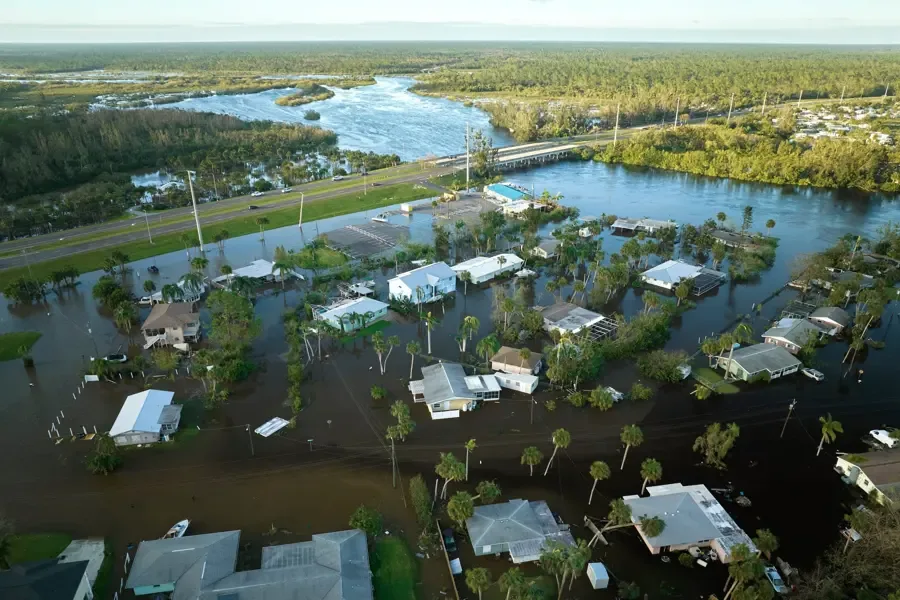
In July 2026, heavy rain pushed Cibolo Creek up, and Schertz issued a disaster declaration and a mandatory evacuation for some residents. The order was lifted on July 16, and for any household that came home to water inside, the first day back decides how much of the house can be saved.
Key takeaways
- Creek water is handled as Category 3, grossly contaminated water, even when it has settled and looks clear.
- Leave the power off at a wet panel or wet outlets until a qualified electrician says the circuits are safe.
- Photograph every room before anything is moved, then set aside soaked soft goods for removal.
- Extraction comes first, then removal of porous materials that cannot be cleaned, then measured drying of the structure.
- The dry-out ends when moisture readings reach the dry reference, not when surfaces feel dry.
What the July evacuation did and did not tell homeowners
The July 2026 order covered some residents, not every household, and it was lifted on July 16. On that date, Guadalupe County emergency management reported that the creek was still rising and, per NOAA, had reached 22.40 feet at the Selma gauge, with water at the bottom of the Interstate 35 bridge.
A gauge reading describes the creek. It does not say which houses took water, so each household has to check its own rooms.
- A lifted evacuation order means residents may return. It does not mean a house is dry or clean inside.
- Water can enter through a garage door, a floor drain or a low door threshold with no visible damage outside.
- Mud marks on fences, walls or garage floors show how high the water stood and where to look first.
- Stored boxes, rugs and furniture on the floor of a garage or ground floor room are usually the first things to be soaked.
Why creek water is handled as Category 3
The industry standard, IICRC S500, sorts water into three categories. Category 1 comes from a clean source such as a supply pipe, and Category 3 is grossly contaminated.
Creek and flood water lands in Category 3 because it carries soil, animal waste, fuel, fertilizer and sewage pushed back out of overwhelmed drains. Water that has settled and looks clear is still Category 3, because the contamination is in it, not in its color.
What Category 3 changes on the job
The category decides what is allowed to stay in the house. Anything porous that touched Category 3 water is removed, not dried and kept.
- Crews wear gloves, boots, eye protection and respirators.
- Containment barriers keep dust and spray from reaching rooms that stayed dry.
- Carpet pad, insulation and low drywall are removed and bagged.
- Hard surfaces are cleaned, then treated with an antimicrobial before drying begins.
The first day back: a safe order of steps
Start at the electrical panel. If the panel, an outlet or a floor-level appliance is wet, leave the power off and have a qualified electrician look at it before anything is switched on.
Next, photograph each room, the marks the water left on the walls and the damaged belongings. Those photos carry weight later with an insurer.
Soaked mattresses, upholstered furniture and rugs should leave the house early. They keep releasing moisture and odor into the air for as long as they stay inside.
- Wear waterproof boots and gloves, and keep children and pets out of wet rooms.
- Shut off the main water valve if a pipe was damaged along with everything else.
- Photograph and list belongings before they are moved.
- Carry valuables and papers to a dry room, and set soaked soft goods aside for removal.
- Call a restoration team so extraction can start while the structure can still be saved.
Extraction and what comes out of the house
Extraction begins with truck-mounted or portable pumps and wands that pull standing water off the floors. Water held in carpet and pad is lifted next, because it keeps feeding the walls above it.
After that the crew opens the structure. Flood water wicks up drywall and into wall cavities, so the damage is usually higher than the visible mark.
Soft and porous materials
Carpet pad is removed in almost every creek water loss. Carpet is often removed too, since cleaning cannot confirm that every contaminant is gone from the backing.
- Insulation in wet wall cavities is pulled and discarded.
- Drywall is cut above the water mark so the cut lands on dry material.
- Baseboards and trim come off so the wall base can air out.
Hard surfaces and framing
Tile, sealed concrete and wood framing can be saved. They are cleaned, treated and then dried to a measured level before anything is rebuilt.
Drying after the wet material is out
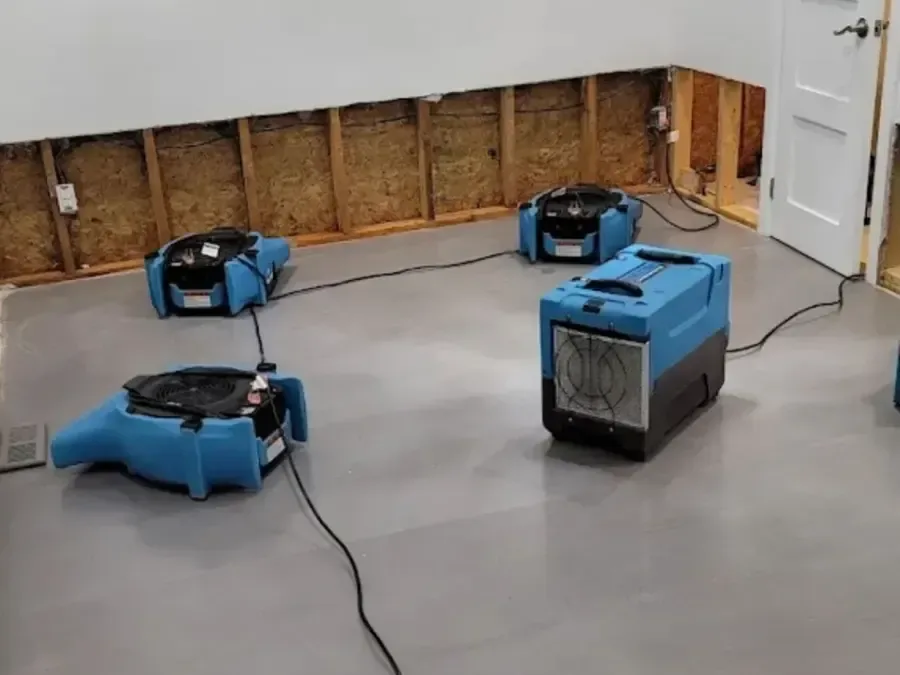
Once the contaminated material is gone, fans and dehumidifiers go in to pull moisture from framing, subfloor and concrete. The crew places them by the readings, not by habit.
Speed matters because mold can begin to grow on wet material that sits for days. A drying plan is judged by numbers, and the team repeats readings on every visit and moves equipment as the numbers change.
Heat and humidity make the job slower, so the crew keeps doors and windows closed on the dry side and lets the equipment do the work.
- Moisture readings are taken on framing, subfloor and concrete each visit.
- Equipment is moved or removed as sections reach the dry reference.
- Framing is dried to within 2 to 4 points of a reading taken in an unaffected part of the house.
- The job is finished by the readings, not by how the surface feels.
Policies, flood coverage and records
Many homeowner's policies exclude flood damage, so the policy wording decides whether creek water is covered. The National Flood Insurance Program is a separate source of flood coverage for homes that carry it.
The restoration team keeps photographs, moisture readings and an equipment log. An adjuster can use those records, which is why they are kept from the first visit.
- Keep the photographs taken before anything was moved.
- Save receipts for hotel stays, disposal and emergency repairs.
- Ask the insurer in writing what the policy says about flood and creek water.
Watching the creek the next time
The USGS gauge at Selma lists flood stages of 14 feet for action, 17 for minor flooding, 20 for moderate and 22 for major. Following the reading before and during a storm gives a household time to move belongings upward and shut off power.
For a closer look at how that gauge works, see the Selma flood cleanup pages. For what the crew does inside the house, the flash flood and storm water cleanup, water extraction and structural drying pages cover each step.
Questions
Is creek water really that dirty if it looks clear?
Yes. Flood water is treated as Category 3 whatever it looks like, because it carries bacteria, soil and chemicals that cannot be seen.
Can carpet be saved after creek water?
Rarely. The pad is removed in almost every case, and the carpet is usually removed as well because the backing holds contamination that cleaning cannot prove is gone.
How long does the drying take?
It depends on how high the water stood and which materials were wet. Most jobs run for several days with readings taken on every visit, and the readings decide when equipment comes out.
Does homeowners insurance cover creek flooding?
Many policies exclude flood. The National Flood Insurance Program covers flood for homes that carry that policy, so the written policy is the thing to read.
When can a family move back in?
When the electrical system is safe, contaminated material is out, surfaces are cleaned and the structure is drying toward the reference. A restoration team can explain which rooms are ready.