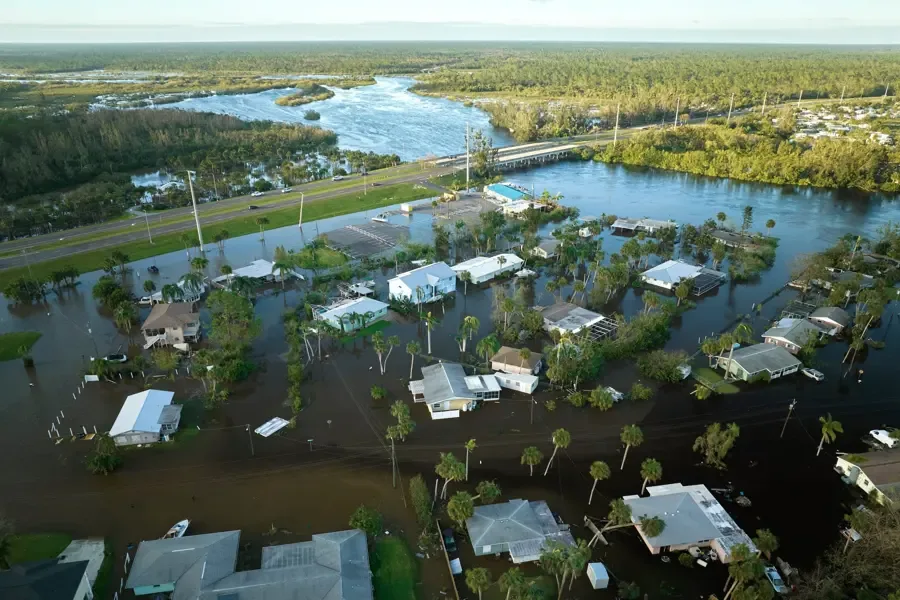
The City of Live Oak names leaves clogging storm drains as the primary source of most flood occurrences. That makes a flood in the city as much about drains and gutters as about creeks, and it gives homeowners a job to do before the rain.
Key takeaways
- The city says flooding comes from West Salitrillo Creek, East Salitrillo Creek and a tributary of Cibolo Creek, and it can come with little warning.
- Clogged drainage courses and storm drains can back water up and damage homes outside the mapped flood hazard area.
- Cleaning gutters, downspouts, drain inlets, pipes, ditches and driveway culverts is the city's own advice.
- Storm water that enters a home is Category 3 and is extracted, removed and dried in a set order.
- Homeowner's policies do not cover flood damage, so flood coverage is a separate decision.
Where Live Oak flooding comes from
The City of Live Oak says flooding in the city comes from three sources: West Salitrillo Creek, East Salitrillo Creek and a tributary of Cibolo Creek. It adds that flooding along those creeks can come with little warning.
The city also notes that a few areas of roadway are susceptible to flooding during heavy rains. Heavy rains in 1998 caused flooding and damage to buildings in the city's flood hazard areas, according to the city.
The city covers about 4.8 square miles and counted 6,862 housing units in the 2020 Census. In a compact city, every blocked inlet sends water into someone else yard or garage.
Leaves, drains and the work homeowners can do
The city's list of simple jobs matters because blocked drainage is behind most floods. A clear path for water keeps it from backing into yards and garages.
Leaves arrive in the fall and after wind storms, so the check is a recurring one, not a spring chore. A quick walk along the curb and the side of the house after each storm shows what needs clearing.
- Roof gutters and downspouts.
- Drain inlets and drainage pipes.
- Drainage ditches and driveway culverts.
- The drains around the home itself, especially after leaves fall.
A home outside the flood hazard area can still flood
Some portions of Live Oak are designated a Special Flood Hazard Area, the area subject to a 100-year flood on the FEMA Flood Insurance Rate Map. The city is clear that a property does not need to be inside that area to be flooded.
Clogged drainage courses or storm drains can back up and damage even upland structures. That is why a home that never appeared on a flood map can still take water.
- A blocked inlet pushes water back across the street and into driveways.
- A clogged ditch holds water against the side of the house.
- A plugged culvert sends water around a driveway and into the yard.
- Full gutters spill at the roof edge and soak the ground beside the wall.
If water gets inside: first steps
Move people to a dry part of the house and stay out of standing water until the power question is settled. Water in a garage or living room can reach outlets and appliances.
Photograph the water level and the damage before cleanup starts.
Garages are usually the first place storm water enters, and they hold stored boxes, tools and paint. Sort what is wet from what stayed dry before anything is carried through the house.
- Leave the power off at a wet panel or outlet until it is checked.
- Photograph each room and the marks the water left.
- Wear boots and gloves, and avoid skin contact with the water.
- Carry valuables and papers to a dry room.
- Call a restoration team to begin extraction.
Cleanup: extraction, removal and drying
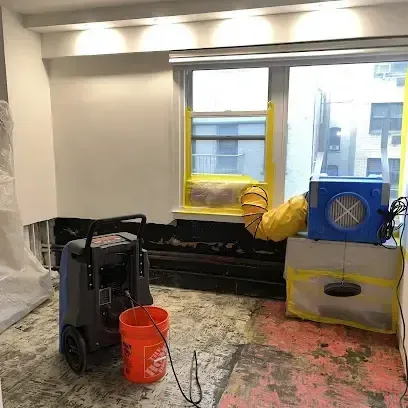
Storm water that came across streets, yards and drains is Category 3. The crew works in order so that contamination does not spread.
Extraction
Pumps and wands pull standing water from the floors, and the water held in carpet and pad is lifted next.
Removal and cleaning
Porous materials that sat in the water, such as pad, insulation and low drywall, are removed. Hard surfaces are cleaned and treated before drying starts.
- Carpet pad and insulation are discarded.
- Drywall is cut above the water mark.
- Concrete, tile and framing are cleaned and disinfected.
Drying
Dehumidifiers and air movers dry the structure, with moisture readings taken at every visit until the framing reaches a dry reference.
Contents
Belongings that sat in storm water are sorted on the spot. Hard items such as tools and glass can be cleaned, while cardboard, upholstered furniture and anything absorbent is usually discarded after it is photographed.
Insurance and flood help
The city notes that homeowner's insurance policies do not cover flood damage and points residents to the National Flood Insurance Program. Residents can ask city Public Works about their property's flood zone and about an Elevation Certificate.
The city lists Bexar Regional Watershed Management and the FEMA Flood Map Service Center as places to get flood help.
Flood policies commonly carry a waiting period before coverage begins, so the time to ask is before the storm, not after.
- Ask Public Works about the property's flood zone.
- Ask about an Elevation Certificate for the property.
- Read the policy for flood and storm water wording.
- Keep photographs and the crew's readings for any claim.
Before the next storm
A short walk around the property before the rain can save a cleanup. Clear the drains the city lists and check that water has somewhere to go.
For the work itself, see Live Oak storm water cleanup and Live Oak water extraction. The full list of services covers the rest, and the structural drying overview explains the drying stage.
- Walk the curb and the yard after each storm and clear any blocked inlet.
- Clear gutters and downspouts in the fall.
- Keep stored items off garage floors.
- Know where the main water valve and the electrical panel are.
Questions
What causes most flooding here?
The city names leaves clogging storm drains as the primary source of most flood occurrences.
Can a house flood if it is not in a flood hazard area?
Yes. The city says clogged drainage courses or storm drains can back up and damage even upland structures.
Does homeowners insurance cover flood?
The city notes that homeowner's insurance policies do not cover flood damage and points residents to the National Flood Insurance Program.
Is storm water in a house safe to clean up myself?
Small amounts on hard floors can be handled with gloves and boots, but storm water is Category 3. Larger amounts or water in carpet need a restoration team.
Who can tell me about my property's flood zone?
The city says residents can ask city Public Works about a property's flood zone and about an Elevation Certificate.
How often should gutters and drains be cleared?
After each leaf fall, after each wind storm and before forecast heavy rain. A quick walk around the property is enough to spot a blocked inlet.