On April 21, 2023, heavy rain, flash flooding and hail hit parts of San Antonio, and a severe thunderstorm warning named Converse. After a storm like that, a roof can look fine from the yard and still let water into the attic.
Key takeaways
- A ceiling stain is the last sign of a leak, not the first, because insulation and drywall soak up water before anything drips.
- Protect the room first: containers, moved furniture, photographs and a temporary cover on the roof.
- A bulging ceiling can be relieved at its lowest point so the water drains into a bucket instead of collapsing the drywall.
- Wet insulation and sagging drywall are removed, and the framing above is dried to a measured level.
- Roof repair and drying work best when they are planned together.
What the April 2023 storm warning shows
A San Antonio Express-News report from April 21, 2023 said a severe thunderstorm warning was in effect for San Antonio, Converse and Kirby, and that the National Weather Service also had a flash flood warning in effect. The same report described heavy rain and hail on parts of San Antonio.
No damage figures for Converse came with that report, and none is claimed here. What the day shows is the pattern: hail and driving rain are a regional roof concern, and roof leaks often follow storms like that one.
After a hail storm, dents on gutters, downspouts and soft metal vents point to hail. Granules from shingles collecting in a downspout do the same.
Reading the ceiling
A ceiling tells its own story. The shape and timing of a stain point to the source, and a stain that grows after each rain usually points to the roof.
Not every stain is active. A dry, old ring can be watched, while a damp one, or one with a musty smell, needs to be opened and looked at.
- A brown ring with a darker edge shows where water collected and dried more than once.
- A bubble or sag in the drywall means water is trapped above it.
- Drips at a light fixture or fan mean water is moving along wiring or framing.
- Stains that appear only after rain suggest the roof, while stains after showers upstairs point to plumbing.
Day-one triage
The first goal is to keep the leak from getting bigger. A few simple steps protect the room and the structure.
Photograph the stain and the ceiling before anything is moved. Photographs from the first day carry weight in a hail claim.
Do not climb onto a wet roof or one that hail has damaged. A roofer has fall protection, and a fall is far worse than a stain.
- Move furniture and rugs out from under the leak and set containers under any drips.
- Turn off the circuit for a ceiling light or fan that is wet, and leave it off.
- If the ceiling bulges, poke a small hole at the lowest point with a screwdriver, standing to one side, and let the water drain into a bucket.
- Switch off the air conditioner if water is dripping near the air handler.
- Arrange a temporary cover on the roof so the next rain does not repeat the loss.
What is wet above the ceiling
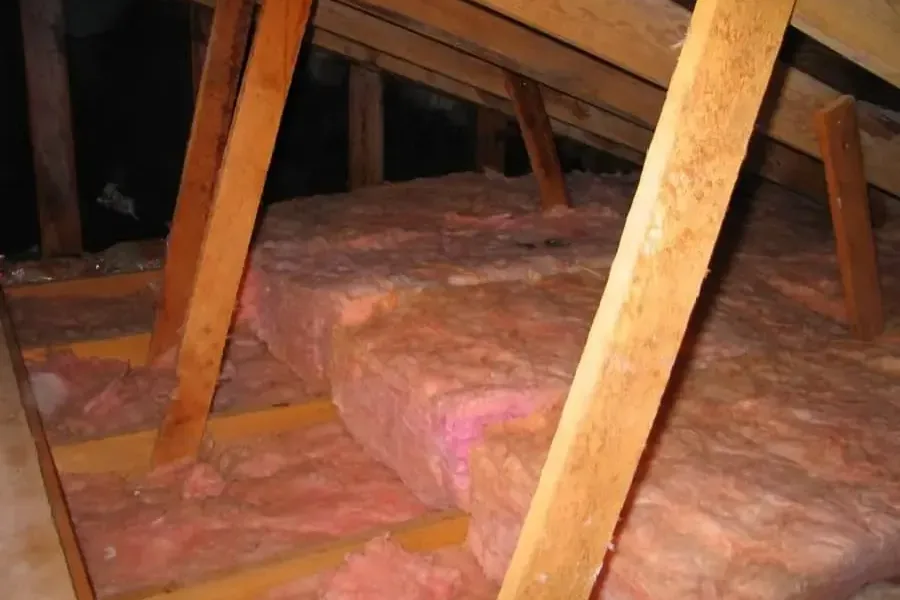
Water that gets through a roof first reaches the decking, then the insulation and finally the ceiling drywall. Insulation holds a great deal of water and passes it along slowly, so a ceiling can keep staining for days after the rain has stopped.
The only way to know is to open the area and look. Moisture readings on the drywall, joists and decking show how far the water traveled, including areas that look dry from below.
Hail damage versus wind-driven rain
Hail can bruise or crack shingles and open seams. Wind-driven rain pushes water under flashing and shingle edges that would shed ordinary rain.
Newer roofs are not immune
The Choose Converse community profile counts 3,614 homes built in 2010 or later. Age does not make a roof storm-proof, and an inspection after a storm applies to roofs of every age.

Removal and drying
The restoration crew removes wet insulation first, because it holds water against the framing. Drywall that is sagging, stained through or soft is cut out and replaced.
Once the wet material is out, dehumidifiers and air movers dry the joists, decking and surrounding wall tops. The crew takes readings each visit and adjusts the equipment.
Hidden damage often shows up at the tops of walls below an attic leak. The crew checks those walls with a meter even when the ceiling is the only visible problem.
- Wet insulation is bagged and discarded, not dried.
- Drywall is cut back to dry material with a clean edge for the repair.
- Framing and decking are dried until readings match a dry reference elsewhere in the house.
- Attic spaces are ventilated so moisture does not condense on the underside of the decking.
Roof repair and drying go together
A dry-out does not help if the roof still leaks. A roofer seals the opening, and the restoration team dries what the leak soaked.
Scheduling them together keeps the house from being opened up twice. The roofer also sees the damage while it is still exposed, which helps the claim.
Tarps are a stopgap. They keep rain out for days rather than months, and the permanent repair follows once the roofer can match the shingles and the weather allows.
Records for a hail claim
A good record saves arguments later. Keep the storm date, the photographs and the roofer's written findings together.
The Converse roof leak pages and the Converse ceiling leak pages describe the work step by step. The roof leak water damage overview covers the wider area, and the Converse water damage pages list every service.
- The date and a short note about the storm.
- Wide and close photographs of the roof, attic and ceiling.
- The roofer's inspection findings and repair invoice.
- Moisture readings and the equipment log from the restoration crew.
Questions
How do I tell a roof leak from a plumbing leak?
A stain that grows only when it rains points to the roof. A stain that grows after showers or washing points to plumbing above.
Is it safe to poke a hole in a bulging ceiling?
It is safer than letting it collapse. Stand to one side, use a small tool, put a bucket underneath and keep the area clear of electrical fixtures.
Does wet attic insulation have to be replaced?
Usually yes. Insulation holds water against the framing and does not dry well in place, so it is removed and replaced.
Will insurance cover hail damage to a roof?
Many homeowner's policies cover hail, with terms that vary. Read the policy and ask the insurer about deductibles for wind and hail.
How long should drying run?
It depends on how much insulation and framing got wet. The readings decide, and the crew removes equipment when the framing reaches the dry reference.
Should I wait for the adjuster before removing wet insulation?
Photograph it first and keep any samples the insurer asks for, then remove it. Waiting lets water spread through the framing and gives mold a chance to start.